
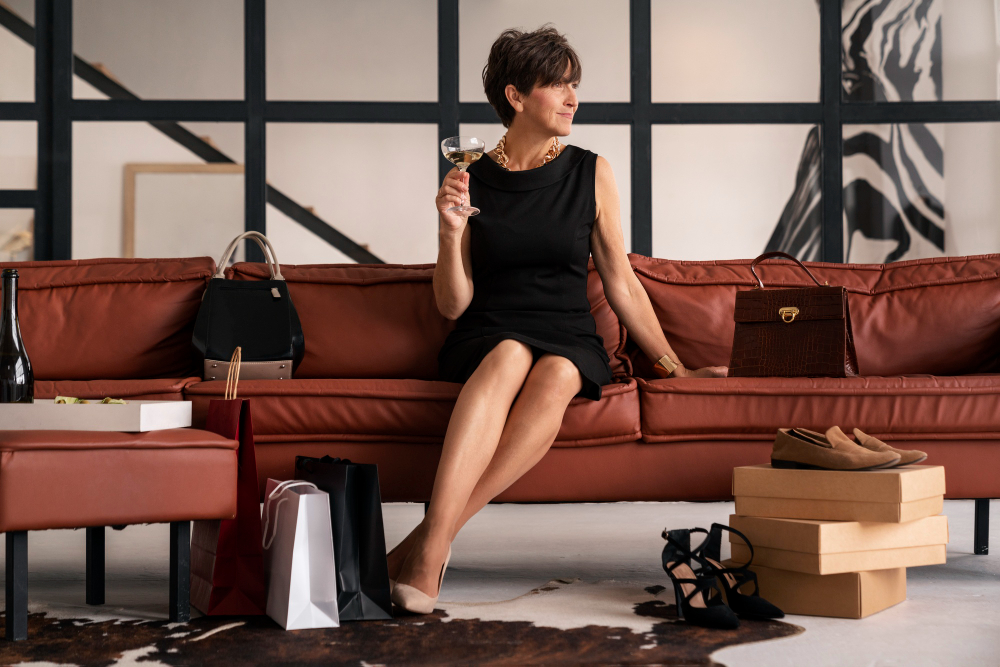
Achieving a premium lifestyle in 2026 requires a nuanced understanding of the balance between timeless vs. trendy: how to invest in pieces that define a premium lifestyle. In an era dominated by hyper-fast fashion cycles and algorithm-driven aesthetics, true luxury is no longer defined by the sheer volume of acquisitions but by the intentionality behind every purchase. Discerning individuals are shifting away from the fleeting nature of micro-trends, choosing instead to curate a personal collection that transcends the calendar. By focusing on longevity, craftsmanship, and intrinsic value, you can build a wardrobe and a home environment that exude sophistication while remaining immune to the rapid obsolescence of digital fads. Investing in quality over quantity is the hallmark of the modern connoisseur, ensuring that your lifestyle remains both relevant and profoundly personal in the years ahead.
The Philosophy of Curated Longevity
The core of a premium lifestyle lies in the pursuit of permanence. When you evaluate an item, consider whether it serves a functional purpose or if it is merely a vessel for social validation. In 2026, the most successful investors in style prioritize materials such as ethically sourced cashmere, full-grain leathers, and architectural furniture pieces that age with grace. This approach mitigates the environmental impact of consumerism while simultaneously elevating your daily experience through the tactile superiority of well-made goods. By viewing every acquisition as a long-term asset rather than a disposable commodity, you cultivate a sense of aesthetic stability that is increasingly rare in our digitized world.
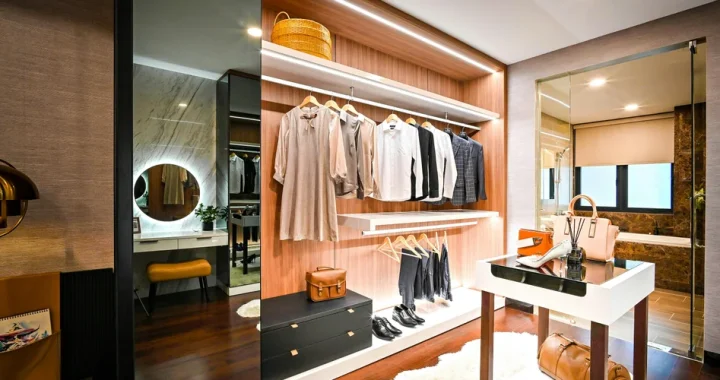
Strategic curation involves auditing your existing surroundings to identify gaps that can be filled with foundational elements. Rather than chasing the latest seasonal color palette, focus on a neutral, high-quality base that allows for occasional, subtle updates. This methodology ensures that your core investments remain versatile across different occasions and settings. Whether it is a bespoke suit or a mid-century modern credenza, these items act as the anchors of your personal brand. When you stop chasing the ephemeral, you gain the freedom to express your identity through deliberate choices that tell a story of refinement and maturity, far removed from the noise of viral social media cycles.
Related Posts
- Investing in Excellence: Why Modern Luxury Buyers Are Choosing Quality Essentials
- From Runway to Reality: Innovative Fashion Tech Changing the Luxury Shopping Experience
- Smart Shopping Strategies: How to Effectively Compare Premium Products Before You Buy
- Navigating International Markets: Pro-Tips for Seamless Luxury Acquisitions Online
- The Luxury Buyer’s Handbook: Ensuring Quality and Authenticity in Every Purchase
Understanding the Market for Trends
While timeless pieces provide the foundation, trends serve as the spice that keeps your aesthetic feeling vibrant and modern. The key is to distinguish between a passing fad and a cultural shift that has staying power. In 2026, data-driven fashion forecasting has made it easier to identify which design elements are likely to endure. However, the premium investor knows that trends should be incorporated through low-stakes accessories or temporary accents rather than high-ticket items. If you find yourself drawn to a bold pattern or an unconventional silhouette, consider renting or purchasing a secondary piece that satisfies the curiosity without cluttering your permanent collection.
A helpful framework is the 80/20 rule: allocate 80 percent of your budget to classic, high-quality staples and reserve 20 percent for experimental pieces that reflect the current moment. This balance prevents your style from appearing stagnant while protecting you from the financial pitfalls of trend-chasing. Furthermore, keep an eye on industry leaders such as The Business of Fashion for insights into how luxury houses are evolving their design philosophies. By understanding the underlying trajectory of design, you can make informed decisions that align with your personal values and long-term financial goals, ensuring that your lifestyle remains both cutting-edge and deeply authentic.
Pros and Cons Analysis
Navigating the dichotomy between classic and contemporary requires a clear-eyed look at the trade-offs involved in every purchase decision. The following table highlights the critical differences to consider when building your collection.
| Feature | Timeless Investments | Trendy Acquisitions |
|---|---|---|
| Financial Value | High potential for long-term appreciation | Rapid depreciation after peak popularity |
| Versatility | Easily integrated into various contexts | Often limited to specific seasonal themes |
| Maintenance | Demands care but offers extreme longevity | Often lower quality; destined for disposal |
| Psychological Impact | Promotes contentment and stability | Provides a short-term dopamine spike |
Timeless pieces offer a sense of security, knowing that your investment will remain relevant for decades. However, they can sometimes feel restrictive or overly formal if not balanced correctly. Conversely, trendy pieces offer an immediate sense of novelty and social relevance, which can be essential for professional environments that demand a high level of aesthetic awareness. The drawback is the inevitable exhaustion of the trend, which leaves the owner with an item that feels dated or out of place. By managing these pros and cons, you become the architect of your own image rather than a victim of industry marketing.
Reddit & Expert Community Consensus
The discourse surrounding high-end curation is particularly vibrant in specialized online communities. Many enthusiasts emphasize that the true cost of an item is not the price tag, but the cost per use over its entire lifespan. In 2026, the consensus among experts on platforms like Reddit suggests that the most premium lifestyle is one that feels lived-in rather than curated for a gallery.
“True luxury is found in items that gain character through usage. If you are afraid to touch or wear your investment, it isn’t serving its purpose. The most premium lifestyle I’ve cultivated involves buying heritage-grade goods that I can pass down, while keeping the ‘trendy’ stuff restricted to affordable accessories that I don’t mind discarding once the trend dies.” — User: StyleArchitect_2026, r/BuyItForLife.
This sentiment is echoed by luxury consultants who argue that the shift toward ‘quiet luxury’ is a response to the fatigue caused by brand-heavy trends. The community suggests that the most effective way to invest is to research the supply chain, understand the origin of materials, and prioritize brands that offer repair services. This commitment to the lifecycle of an object reinforces the idea that your lifestyle should be defined by durability and personal connection rather than fleeting consumer trends.
Investment Strategies for 2026
Identifying Value in a Digital Age
In the digital landscape of 2026, identifying genuine value requires looking beyond the hype. Many brands now use AI-driven marketing to create artificial scarcity, which can deceive even the most seasoned shopper. To combat this, focus on the craftsmanship metrics: hand-stitched seams, full-grain leathers, natural fibers, and modular construction in furniture. These are objective markers of quality that transcend the digital marketing narrative. Visit reputable resources like Architectural Digest to stay updated on design standards that prioritize structural integrity over decorative flourishes.
Furthermore, consider the secondary market as a viable venue for acquiring premium goods. High-quality items that have already stood the test of time often represent a better value proposition than new, unproven designs. When you invest in a pre-owned, classic piece, you are effectively betting on its historical durability. This strategy not only saves money but also contributes to a more sustainable lifestyle. By becoming a discerning collector rather than a passive consumer, you ensure that your assets grow in utility and meaning, reflecting a sophisticated understanding of the relationship between cost, quality, and legacy.
Key Takeaways
- Prioritize natural materials and superior craftsmanship over synthetic, mass-produced alternatives.
- Adopt the 80/20 rule to maintain a balance between classic staples and seasonal updates.
- Research the long-term utility of an item before making a significant financial commitment.
- View your collection as a set of assets that should improve your daily quality of life.
- Leverage the secondary market to acquire high-quality, proven designs at better value.
- Focus on personal identity rather than external validation to sustain a premium lifestyle.
Frequently Asked Questions
How do I identify if a trend is worth investing in?
Ask yourself if the item aligns with your core aesthetic values and if it provides utility beyond its social novelty. If it is a bold statement piece, keep the budget low and the quality expectations moderate.
Are designer logos considered timeless?
Generally, logos are subject to the whims of branding trends. Minimalist, logo-free designs often have a longer shelf life and are considered more sophisticated in the current luxury market.
How can I start building a premium wardrobe on a budget?
Focus on one category at a time—such as outerwear or footwear—and prioritize buying the highest quality version available in that category, even if it means buying fewer items overall.
What is the biggest mistake when investing in premium goods?
The most common mistake is prioritizing the brand name over the quality of construction. Always inspect the materials and manufacturing techniques before trusting a label.
Does a premium lifestyle require high spending?
Not necessarily. A premium lifestyle is defined by intentionality. It is about choosing items that are durable, beautiful, and meaningful to you, regardless of their retail price point.
Conclusion
Defining a premium lifestyle in 2026 is an exercise in intentionality and discernment. By prioritizing the timeless vs. trendy: how to invest in pieces that define a premium lifestyle, you move away from the frantic pace of modern consumption toward a more sustainable and fulfilling path. Focus on quality, appreciate the history of your items, and remain flexible enough to incorporate modern touches without losing your core identity. Your surroundings and your wardrobe should act as a testament to your values, providing you with a sense of comfort and confidence that no temporary trend could ever replicate. Build a collection that truly serves your life.