

Redefining the jet-set: best luxury travel experiences for the global explorer in 2026 demands a shift from mere opulence to profound, regenerative engagement with the world. As we navigate the landscape of 2026, the modern traveler no longer settles for gold-plated amenities; instead, they seek hyper-personalized journeys that blend ultra-exclusive access with sustainability and deep cultural immersion. From private submersibles exploring uncharted reefs to carbon-neutral orbital flights, the definition of luxury has evolved into a pursuit of time, privacy, and transformative discovery. This guide explores the pinnacle of high-end tourism, catering to those who demand the extraordinary while maintaining a responsible footprint on our delicate planet. Whether you are traversing the remote reaches of the Arctic or retreating to a private island sanctuary, the art of travel has reached a new zenith of sophistication.
The Evolution of Private Aviation
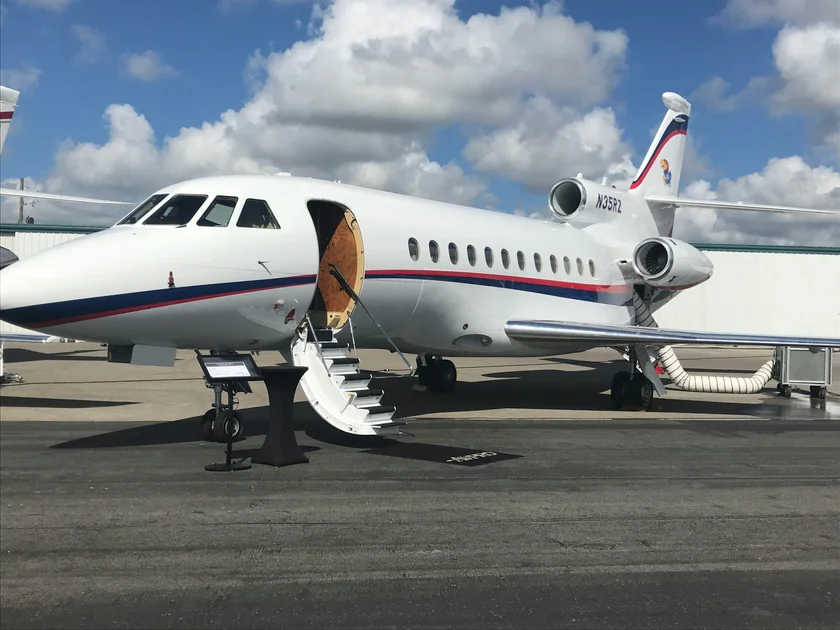
In 2026, private aviation has transcended traditional business-class travel, focusing on the concept of the “flying residence.” Leading manufacturers have introduced hydrogen-electric propulsion systems, allowing high-net-worth individuals to traverse continents with a significantly reduced environmental impact. These aircraft are now customized as mobile offices, wellness retreats, or entertainment hubs, complete with personalized concierge services that manage every detail of your arrival. The seamless transition from tarmac to luxury villa, often bypassing commercial hubs entirely, ensures that the journey remains as private and stress-free as the destination itself.
Furthermore, the integration of advanced artificial intelligence allows for real-time adjustments to flight paths based on weather patterns and passenger comfort preferences. Travelers can now enjoy gourmet dining curated by Michelin-starred chefs who tailor menus to the individual’s nutritional needs during flight. This shift toward bespoke service ensures that every hour spent in the air serves as a restorative experience rather than a mere necessity. For those seeking inspiration, the Forbes Travel Guide provides regular updates on the safest and most efficient private aviation providers currently operating globally.
Related Posts
- The Curated Home: Must-Have Luxury Essentials for the Modern Sophisticated Lifestyle
- Crafting the Perfect Escape: How to Plan Sophisticated Leisure Experiences Worldwide
- How to Spot the Next Big Thing: Exclusive Product Collections Trending Internationally
- Elevating the Travel Experience: How Technology is Creating Smoother Luxury Connections
- Smart Shopping Strategies: How to Effectively Compare Premium Products Before You Buy
Sustainable Frontiers in Luxury
Luxury and sustainability are no longer mutually exclusive; in 2026, they are inextricably linked. The most coveted destinations are those that prioritize regenerative tourism, where guest presence actively improves the local ecosystem and community welfare. Eco-conscious lodges in the Amazon and the Serengeti are utilizing advanced off-grid technology to provide five-star comfort while operating on 100% renewable energy. These retreats offer exclusive access to conservation programs, allowing guests to participate in wildlife monitoring or reforestation efforts alongside world-class scientists and local experts.
The global explorer of 2026 understands that true exclusivity is found in protecting the world’s last untouched landscapes. By staying in properties that are certified carbon-negative, travelers can enjoy guilt-free indulgence, knowing their investment supports the preservation of biodiversity. This shift is reshaping the hospitality industry, pushing high-end brands to achieve net-zero status while setting new benchmarks for architectural design that blends harmoniously with natural surroundings. Engaging with these initiatives offers a sense of purpose that traditional luxury experiences simply cannot replicate.
Hyper-Personalized Cultural Immersion
The modern luxury seeker desires more than just a view; they want a story. In 2026, travel agencies have pivoted toward hyper-personalized cultural immersion, granting access to private collections, restricted heritage sites, and intimate gatherings with local artisans that remain closed to the general public. Imagine a private after-hours tour of a Renaissance palace in Florence or an exclusive dinner hosted by a master calligrapher in Kyoto. These curated experiences are designed to foster a deep connection between the traveler and the local culture, moving beyond the superficiality of typical sightseeing.
The Rise of Intellectual Tourism
Intellectual tourism is rapidly gaining traction among the global elite who wish to pair their vacations with academic growth. Leading luxury operators now partner with renowned historians, marine biologists, and art curators to accompany guests on their journeys. This collaborative approach turns a standard trip into a masterclass, where every excursion is enriched by expert commentary and hands-on investigation. By fostering these intellectual exchanges, travelers gain a nuanced understanding of global complexities, transforming their worldview while enjoying the utmost comfort and security provided by their specialized guides.
Cost & Pricing Breakdown
Luxury travel in 2026 requires careful financial planning due to the bespoke nature of these offerings. Below is a breakdown of estimated costs for high-end international journeys.
| Category | Standard Luxury | Ultra-Exclusive Tier | Budget Considerations |
|---|---|---|---|
| Private Aviation | $15,000
|
$50,000+ per trip | Fractional ownership reduces long-term costs. |
| Accommodation | $2,000
|
$10,000
|
Off-peak travel yields significant savings. |
| Curated Experiences | $1,000
|
$5,000
|
Group bookings can share expert guide fees. |
| Total Per Week | $35,000
|
$100,000
|
Consider all-inclusive regenerative resorts. |
Pros and Cons Analysis
Evaluating the current state of luxury travel involves weighing the convenience of elite services against the potential pitfalls of modern global tourism. The primary benefit of this market segment is the unmatched level of privacy, which allows the global explorer to disconnect from the public eye and focus entirely on personal enrichment. Furthermore, the emphasis on high-quality, sustainable practices means that your travel budget is often contributing to meaningful conservation projects. However, the drawbacks include the high financial barrier to entry and the logistical complexity of coordinating multi-country luxury itineraries, which often require dedicated personal assistants or specialized travel management firms.
Another consideration is the impact of rapid technological advancements on travel. While innovations like high-speed rail and vertical take-off aircraft make travel easier, they also risk homogenizing destinations if not managed properly. The savvy traveler must balance the desire for efficiency with the need for authentic, slow-paced exploration. By utilizing resources like the Condé Nast Traveler, explorers can research which destinations maintain their cultural integrity despite the influx of high-end tourism, ensuring their visit supports rather than disrupts the local character of the region.
The Future of Wellness Retreats
Wellness in 2026 has evolved into a medical-grade science, focusing on longevity, bio-hacking, and holistic mental health. Luxury resorts are now equipped with full-scale diagnostic laboratories, offering personalized blood analysis and genetic testing to tailor fitness and nutritional programs during a guest’s stay. These retreats combine ancient healing modalities like Ayurveda and forest bathing with cutting-edge technology such as hyperbaric oxygen therapy and infrared light treatments. The objective is for guests to return home not just refreshed, but biologically optimized for their busy lives.
This trend toward preventative health represents the ultimate luxury: the gift of time and vitality. By integrating these services into travel, explorers can address the physical strain of global movement while enjoying serene, architecturally stunning environments. Whether it is a cliffside sanctuary in Bali or a high-altitude wellness center in the Swiss Alps, the focus remains on long-term well-being. These retreats provide a safe haven for the global explorer to recalibrate, ensuring that they remain at the peak of their personal and professional performance throughout the year.
Key Takeaways
- Prioritize regenerative travel to ensure your luxury stays contribute to ecological preservation.
- Leverage private aviation and concierge services to reclaim time and reduce travel-related stress.
- Incorporate intellectual tourism to deepen your cultural understanding through expert-led experiences.
- Focus on longevity-based wellness retreats that offer medical-grade diagnostics and personalized health plans.
- Use professional travel management firms to navigate the complexities of high-end, multi-country itineraries.
- Always verify the sustainability credentials of luxury properties to ensure authentic environmental commitment.
Frequently Asked Questions
What defines luxury travel in 2026?
Luxury travel in 2026 is defined by hyper-personalization, sustainable practices, and exclusive access to experiences that prioritize personal growth and ecological stewardship over mere material comfort.
How can I ensure my travel is truly sustainable?
Look for resorts with official carbon-negative certifications, local community partnerships, and transparent reporting on their resource consumption and waste management policies.
Is private aviation becoming more environmentally friendly?
Yes, the industry is transitioning toward hydrogen-electric propulsion and sustainable aviation fuels (SAF), significantly reducing the carbon footprint of private air travel compared to previous years.
What are the benefits of hiring a luxury travel advisor?
An advisor provides access to “insider” experiences, manages complex logistics, and ensures that every aspect of the trip is tailored to your specific preferences and needs.
Are medical-grade wellness retreats safe?
Top-tier wellness resorts in 2026 employ licensed medical professionals and use state-of-the-art diagnostic equipment, ensuring that all treatments are administered safely and according to rigorous health standards.
Conclusion
Redefining the jet-set: best luxury travel experiences for the global explorer in 2026 is about embracing a new era of purposeful, sophisticated discovery. As we move further into the decade, the ability to balance ultra-exclusive comfort with a deep respect for our planet and its diverse cultures will be the true hallmark of the modern explorer. By investing in experiences that offer intellectual depth, physical longevity, and environmental integrity, you ensure that your journeys remain transformative. Travel is no longer just about where you go, but how you grow while navigating the vast, beautiful world.