

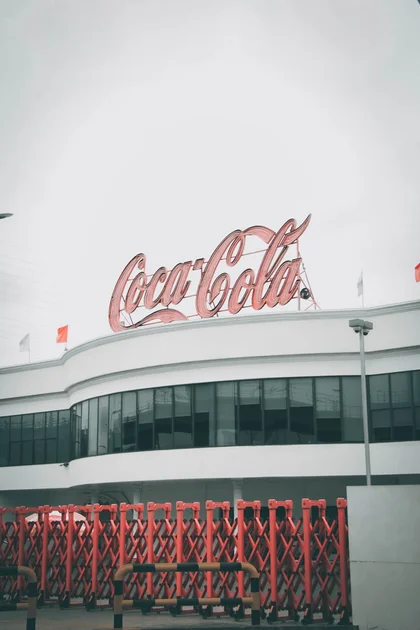
Brand evolution: how legacy companies are adapting to modern international markets has become the primary challenge for boardrooms across the globe in 2026. As the distinction between domestic and international trade blurs due to ubiquitous connectivity, century-old organizations are finding that their historical prestige is no longer a sufficient barrier to entry against agile, tech-native competitors. To thrive, these legacy giants are undergoing radical transformations that touch every aspect of their operations, from supply chain transparency to the integration of generative artificial intelligence in customer journey mapping. This evolution is not merely a rebranding exercise; it is a fundamental shift in how value is created and communicated across diverse cultural landscapes. By embracing a digital-first mindset while leveraging their deep-rooted institutional knowledge, established brands are successfully navigating the complexities of a volatile, uncertain, and highly interconnected global economy.
The Shift from Heritage to Digital-First Identity
In the current landscape of 2026, legacy companies are moving beyond the “heritage” trap where history was their only selling point. While a long-standing reputation provides a foundation of trust, modern international consumers—particularly Gen Z and Alpha—demand immediate digital utility and seamless cross-platform experiences. These organizations are now prioritizing digital-first identities, ensuring that their online presence is as robust and prestigious as their physical storefronts once were. This involves implementing immersive technologies like augmented reality to allow customers in Tokyo to experience a Parisian fashion house’s atelier from their living rooms. By focusing on digital touchpoints, legacy brands are bridging the gap between their traditional roots and the expectations of a tech-savvy global audience that values accessibility as much as craftsmanship.
Furthermore, the transition to a digital-first identity allows legacy brands to collect and utilize first-party data more effectively than ever before. In the past, many of these companies relied on third-party retailers, which distanced them from their actual end-users. Today, by adopting direct-to-consumer (DTC) models and sophisticated CRM systems, they can personalize marketing efforts for specific international regions without diluting their core brand message. This data-driven approach enables them to predict market trends in real-time, allowing for faster product iterations and more responsive supply chains. Consequently, the evolution of these brands is characterized by a move from static, historical narratives to dynamic, data-responsive ecosystems that can pivot according to local market demands while maintaining a consistent global aesthetic.
Related Posts
- Elevating the Travel Experience: How Technology is Creating Smoother Luxury Connections
- Investing in Excellence: Why Modern Luxury Buyers Are Choosing Quality Essentials
- Timeless vs. Trendy: How to Invest in Pieces That Define a Premium Lifestyle
- Why Curated Living Habits Are the New Status Symbol for Global Luxury Enthusiasts
- Beyond the Logo: How Premium Brands Are Building Deep Trust with Global Customers
The success of this digital transformation is heavily dependent on the internal culture of the legacy organization. Companies that have successfully adapted are those that have dismantled silos between their traditional marketing departments and their emerging technology teams. In 2026, the most successful legacy brands operate like software companies, utilizing agile methodologies to launch and scale new initiatives across international borders. This cultural shift ensures that innovation is not just an add-on but is woven into the very fabric of the brand’s long-term strategy. By fostering a culture of continuous learning and technological experimentation, these storied institutions are proving that age is an asset when combined with the speed and flexibility of a modern digital enterprise.
Navigating Cultural Nuance in Global Expansion
Successfully navigating the complexities of international markets requires more than just a translated website; it demands deep cultural intelligence and a commitment to “glocalization.” Legacy companies are increasingly moving away from a “one-size-fits-all” approach, recognizing that consumer behaviors in emerging markets like Southeast Asia or Sub-Saharan Africa differ significantly from those in Western Europe. To address this, many organizations are establishing regional innovation hubs that empower local leaders to make strategic decisions. This decentralized approach allows brands to respect local customs, values, and purchasing habits while still adhering to the overarching global brand guidelines. According to recent insights from McKinsey & Company, companies that prioritize localized consumer insights see a 25% higher growth rate in international territories compared to those that do not.
Moreover, the role of linguistic nuance and visual semiotics has become paramount in 2026. A brand’s color palette, iconography, and even the tone of its AI-driven chatbots must be meticulously calibrated to avoid cultural faux pas and to resonate emotionally with local audiences. Legacy companies are investing heavily in ethnographic research to understand the subtle psychological triggers that drive brand loyalty in different regions. For instance, a luxury automotive brand might emphasize safety and family heritage in North American markets while highlighting technological status and urban agility in the rapidly growing megacities of Asia. This nuanced communication strategy ensures that the brand remains relevant and relatable, regardless of the geographic location of its customers, thereby fostering long-term international growth.
Finally, the evolution of legacy brands involves a sophisticated approach to international partnerships and local ecosystem integration. Rather than entering a market as an outsider, these companies are seeking to become part of the local fabric by collaborating with regional influencers, artists, and even tech startups. These partnerships provide the legacy brand with immediate cultural capital and a more authentic voice within the local community. By integrating themselves into the local economy and social structure, established brands can mitigate the risks of being perceived as “corporate colonizers.” This strategy not only enhances brand perception but also provides valuable insights into local market dynamics that would be impossible to gain from a centralized headquarters thousands of miles away.
Sustainability as a Non-Negotiable Brand Pillar
As we navigate 2026, sustainability has evolved from a corporate social responsibility checkbox to a core strategic pillar for legacy brands operating internationally. Modern consumers are increasingly holding global corporations accountable for their environmental impact, demanding transparency throughout the entire product lifecycle. Legacy companies, often burdened with complex and aging supply chains, are facing the monumental task of retrofitting their operations to meet stringent global carbon neutrality standards. This involves a total rethink of material sourcing, manufacturing processes, and logistics. Brands that fail to demonstrate a genuine commitment to sustainability risk losing market share to newer, “born-green” competitors who have built their entire business models around ecological preservation and ethical labor practices.
To lead in this area, many legacy organizations are adopting circular economy principles, where products are designed for longevity, repairability, and eventual recycling. This shift not only reduces waste but also creates new revenue streams through “re-commerce” platforms where pre-owned brand items are authenticated and resold. This approach resonates particularly well in international markets where resource scarcity and environmental degradation are pressing concerns. By taking a proactive stance on climate change and social equity, legacy brands are able to build a “trust premium” with their global audience. Authoritative reports from Deloitte indicate that sustainability is now a top-three purchasing driver for over 60% of global consumers, making it a critical component of brand evolution.
Transparency is the final piece of the sustainability puzzle for legacy companies in 2026. Utilizing blockchain technology, many brands now provide “digital product passports” that allow consumers to trace the journey of a product from raw material to the retail shelf. This level of radical transparency is essential for rebuilding trust in an era where greenwashing is heavily scrutinized by both regulators and the public. For a legacy company, proving that its decade-old reputation is backed by modern, ethical practices is the ultimate way to secure its future in the international market. By aligning their global operations with the United Nations Sustainable Development Goals, these companies are not just protecting the planet; they are ensuring their own long-term viability in a world that no longer tolerates corporate negligence.
Comparison of Legacy Adaptation Strategies
When examining how legacy companies are adapting to modern international markets, several distinct strategies emerge, each with its own set of advantages and challenges. Some organizations choose a “Reinvention” path, where they fundamentally alter their product offerings and brand persona to match current trends. Others prefer a “Preservation” strategy, focusing on their historical strengths while updating their delivery mechanisms. The choice of strategy often depends on the industry, the brand’s existing equity, and the specific dynamics of the target international market. Understanding these different approaches is crucial for any legacy business looking to maintain its competitive edge in 2026.
| Strategy Type | Primary Focus | Key Advantage | Risk Factor |
|---|---|---|---|
| Digital Transformation | AI and Cloud Integration | Operational Efficiency | High Implementation Cost |
| Hyper-Localization | Regional Customization | Deep Cultural Resonance | Brand Dilution Potential |
| Direct-to-Consumer | Eliminating Intermediaries | First-Party Data Access | Logistics Complexity |
| Sustainability Pivot | Circular Economy Models | Long-term Brand Trust | Supply Chain Disruption |
The table above highlights the diverse paths available to legacy brands. For instance, the “Direct-to-Consumer” model has been particularly effective for luxury goods and consumer electronics, allowing brands to control the entire customer experience across international borders. Conversely, “Hyper-Localization” is often the preferred route for food and beverage companies, where regional tastes vary significantly. Most successful legacy companies in 2026 do not rely on a single strategy but instead use a hybrid approach that combines elements of digital transformation with a strong commitment to sustainability. This multifaceted evolution ensures that the brand is resilient enough to handle localized disruptions while maintaining a consistent global trajectory.
Strategic Investment and Modernization Budgets
The financial commitment required for a legacy brand to evolve is substantial, necessitating a complete reallocation of traditional marketing and R&D budgets. In 2026, the most successful companies are investing between 15% and 20% of their annual revenue back into modernization efforts. This capital is typically split between technological infrastructure, such as advanced data analytics and AI, and human capital, including the hiring of digital anthropologists and sustainability experts. These investments are no longer seen as optional expenses but as essential capital expenditures required for future-proofing the organization against the rapid pace of change in international markets. Without this level of financial commitment, legacy brands risk falling into a “technological debt” that becomes impossible to repay as competitors pull ahead.
| Investment Area | Budget Allocation (%) | Expected Outcome |
|---|---|---|
| AI & Data Analytics | 35% | Predictive Consumer Insights |
| Sustainability & ESG | 25% | Regulatory Compliance & Trust |
| Digital Infrastructure | 20% | Global Scalability |
| Talent Acquisition | 15% | Innovation & Agility |
| Local Partnerships | 5% | Cultural Integration |
As shown in the breakdown, AI and data analytics command the largest share of the modernization budget. This is because, in 2026, data is the “new oil” that powers every other aspect of the brand’s evolution, from personalizing marketing messages to optimizing international logistics. The investment in sustainability and ESG (Environmental, Social, and Governance) is also significant, reflecting the growing importance of these factors in consumer decision-making. By strategically allocating these funds, legacy companies can ensure that their evolution is balanced and comprehensive. The return on investment for these modernization efforts is typically seen in increased customer lifetime value, higher operational margins, and a more resilient brand reputation in diverse international markets.
Ultimately, the budgeting process for brand evolution requires a long-term perspective that prioritizes future growth over short-term quarterly gains. Boards of directors at legacy companies are increasingly being judged on their ability to manage this transition without alienating their core customer base. The financial strategy must be flexible enough to allow for rapid pivots as new technologies or market conditions emerge. In the hyper-competitive environment of 2026, the brands that win are those that treat their modernization budget as a dynamic tool for innovation rather than a static financial constraint. This proactive financial management is a hallmark of a legacy brand that is truly adapting to the modern international landscape.
AI-Driven Personalization for Global Audiences
In 2026, artificial intelligence has become the cornerstone of brand evolution for legacy companies seeking to personalize their global reach. AI allows these organizations to analyze vast amounts of data from different international markets to create hyper-personalized experiences for millions of individual customers simultaneously. Whether it is suggesting a product based on local weather patterns in Mumbai or tailoring a promotional offer to a customer’s specific browsing history in Berlin, AI ensures that the brand feels personal and relevant. This level of personalization was previously impossible for large legacy organizations, which often struggled with the “mass-market” approach that defined the 20th century. Now, they can combine their massive scale with the intimacy of a boutique brand.
The Ethics of Hyper-Localization and Data Usage
As legacy brands use AI to deepen their international market penetration, the ethical use of data has become a critical sub-topic. Consumers are more aware of their digital rights than ever before, and different regions have vastly different regulations regarding data privacy. Legacy companies must navigate these legal landscapes carefully, ensuring that their AI-driven personalization does not cross the line into intrusion. Ethical AI practices, including transparency about how data is used and giving consumers control over their digital footprints, are now essential for maintaining brand trust. Brands that prioritize ethical considerations in their AI deployments are finding that they build stronger, more loyal relationships with their international audiences.
Furthermore, the integration of AI into the creative process is allowing legacy brands to produce localized content at an unprecedented scale. Generative AI can adapt advertising copy, visual assets, and even video content to suit the cultural and linguistic nuances of different regions in a fraction of the time it would take a traditional agency. This allows legacy brands to be much more responsive to local events and trends, making them appear more “present” in the lives of their international customers. However, the human element remains crucial; the most successful brands use AI as a tool for their creative teams rather than a replacement. This synergy between human creativity and machine efficiency is what defines the most advanced brand evolutions in 2026.
Looking ahead, the role of AI in brand evolution will only continue to grow. Predictive analytics will allow legacy brands to anticipate market shifts before they happen, giving them a significant advantage over less technologically advanced competitors. By staying at the forefront of AI innovation, these storied organizations are ensuring that they remain leaders in the international market for another century. The ability to harness technology to amplify a brand’s core values is the ultimate expression of modern brand evolution. As legacy companies continue to adapt, they are proving that with the right strategy, history and innovation can coexist to create a powerful, global presence.
Key Takeaways
- Legacy brands must prioritize a digital-first identity to meet the expectations of 2026’s tech-savvy global consumers.
- “Glocalization” is essential; brands must balance a consistent global message with deep regional cultural resonance.
- Sustainability and transparency are now core drivers of brand loyalty and are non-negotiable for international success.
- Strategic investment in AI and data analytics is the top budgetary priority for modernizing legacy operations.
- Ethical data usage and AI-driven personalization are critical for building long-term trust in diverse international markets.
- Successful brand evolution requires a cultural shift within the organization toward agility and continuous innovation.
Frequently Asked Questions
How do legacy brands maintain their heritage while modernizing?
Legacy brands maintain their heritage by identifying their core values—such as craftsmanship or reliability—and translating those values into modern formats like digital experiences or sustainable practices. They use their history as a foundation for trust while aggressively adopting new technologies to deliver value in contemporary ways.
What is the biggest challenge for legacy companies in 2026?
The biggest challenge is overcoming “organizational inertia.” Many legacy companies have deeply ingrained processes and cultures that resist change. Transitioning to a digital-first, agile business model requires significant leadership commitment and a complete overhaul of traditional workflows to compete with nimble startups.
Is hyper-localization expensive for a global brand?
While hyper-localization requires an initial investment in regional hubs and market research, it is often more cost-effective in the long run. By tailoring products and marketing to local tastes, brands reduce the risk of expensive market failures and build higher levels of customer loyalty and conversion.
How does AI help in international brand evolution?
AI helps by processing complex global data sets to provide actionable insights, personalizing customer experiences at scale, and automating the creation of localized marketing content. It allows legacy brands to act with the speed and precision of a local competitor while maintaining global scale.
Why is sustainability so important for brands in 2026?
In 2026, sustainability is a major factor in purchasing decisions across all demographics. Regulators are also imposing stricter carbon and waste standards globally. For a legacy brand, a strong sustainability record is essential for risk mitigation, regulatory compliance, and maintaining a positive public image.
Conclusion
The journey of brand evolution: how legacy companies are adapting to modern international markets is a testament to the resilience of well-established organizations in the face of unprecedented change. By 2026, it has become clear that the brands that survive and thrive are those that view transformation not as a destination, but as a continuous process. By integrating digital excellence, cultural intelligence, and a deep commitment to sustainability, legacy companies are redefining their roles in the global economy. They are proving that a rich history, when combined with a forward-thinking strategy, creates an unbeatable competitive advantage in the modern world.