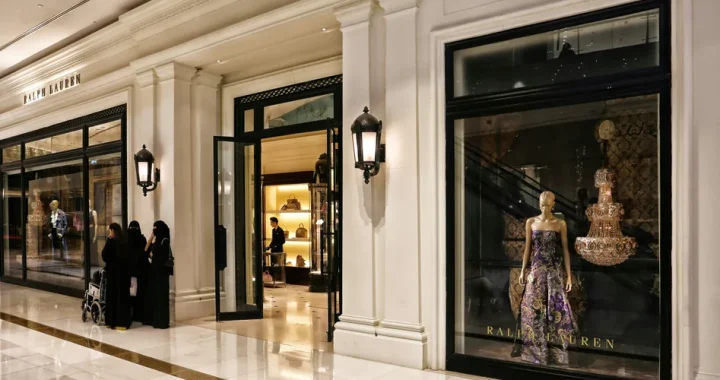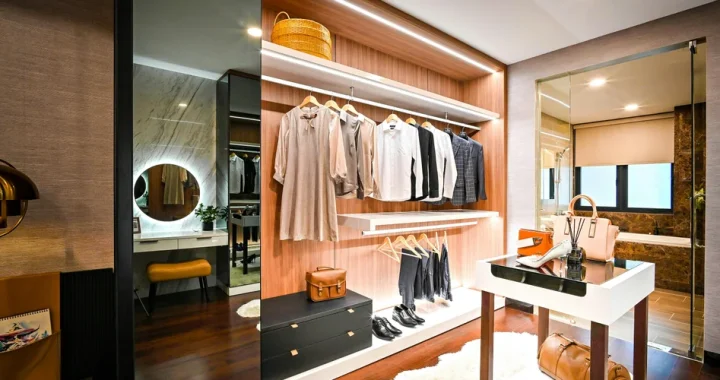

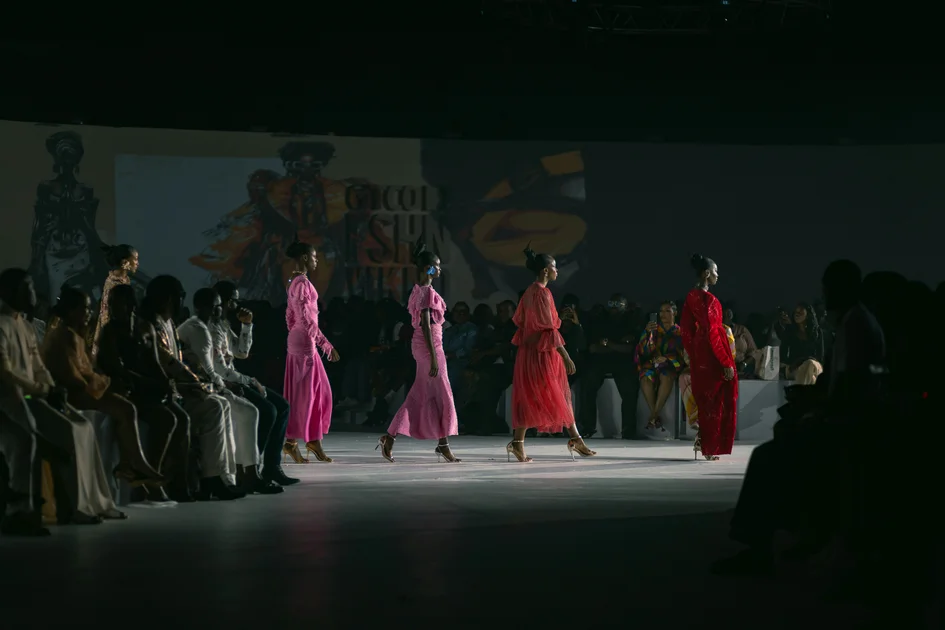
The transition from runway to reality: innovative fashion tech changing the luxury shopping experience has officially reached a tipping point in 2026. High-end fashion houses are no longer relying solely on physical boutiques or static lookbooks; instead, they are integrating sophisticated artificial intelligence, spatial computing, and blockchain verification to cater to a digitally native clientele. This evolution represents a fundamental shift in how consumers interact with premium brands, moving from passive observation to immersive participation. By leveraging cutting-edge advancements, luxury retailers are successfully bridging the gap between the exclusivity of couture presentations and the personalized demands of modern commerce, ensuring that every garment and accessory carries a digital identity as unique as its physical counterpart.
The Rise of Virtual Try-On Solutions
In 2026, the implementation of hyper-realistic augmented reality (AR) mirrors has transformed the fitting room from a static space into an interactive hub. Luxury shoppers can now visualize intricate textures, fluid fabrics, and complex silhouettes without the constraints of physical inventory. These systems utilize advanced LIDAR sensors and real-time ray tracing to ensure that the lighting and drape of the digital item perfectly match the user’s physical environment. By minimizing the uncertainty of online purchases, these tools significantly reduce return rates while simultaneously boosting consumer confidence in high-ticket acquisitions. Major fashion conglomerates are seeing a massive surge in engagement metrics as users spend longer durations interacting with digital twin products.
Beyond simple visual overlays, these platforms are increasingly incorporating body-mapping algorithms to provide personalized sizing recommendations. This precision engineering eliminates the guesswork often associated with international luxury sizing standards. As the technology matures, we are seeing deeper integration with personalized style assistants that suggest complementary pieces based on the user’s historical preferences and current inventory. This data-driven approach allows brands to cultivate a more intimate relationship with their patrons, transforming the shopping process into a bespoke consultation. The result is a seamless transition from the spectacle of the runway to the comfort of the customer’s private home.
Related Posts
- How to Spot the Next Big Thing: Exclusive Product Collections Trending Internationally
- Safe and Secure: How to Identify Authentic Luxury Goods in the Global Online Market
- Beyond the Logo: How Premium Brands Are Building Deep Trust with Global Customers
- Timeless vs. Trendy: How to Invest in Pieces That Define a Premium Lifestyle
- Redefining the Jet-Set: Best Luxury Travel Experiences for the Global Explorer in 2026
Blockchain and Product Authenticity
Ensuring the provenance of luxury goods is a primary concern for high-end consumers, and blockchain technology has become the industry standard for verification in 2026. Every luxury item now frequently ships with a digital passport, a non-fungible token (NFT) that serves as an immutable record of its manufacturing journey, material sourcing, and ownership history. This innovation effectively combats the persistent issue of counterfeiting, providing peace of mind to collectors and investors who demand absolute transparency. By scanning an embedded NFC chip, buyers can instantly access a secure ledger that validates the authenticity of their investment, reinforcing trust in the brand’s supply chain.
The secondary market for pre-owned luxury goods has also benefited immensely from these cryptographic protocols. Resale platforms now utilize these digital ledgers to guarantee the authenticity of vintage items, thereby maintaining the long-term value of the assets. This circular economy model is gaining traction as environmentally conscious consumers seek to extend the lifecycle of their garments. Furthermore, the ability to transfer ownership records digitally simplifies the resale process, making it safer and more efficient for global transactions. As we look at the broader industry landscape, it is clear that digital verification is no longer an optional luxury but a fundamental necessity for maintaining brand integrity and prestige.
Cost & Pricing Breakdown
Implementing sophisticated technology requires a significant investment from luxury houses. The following table outlines the estimated costs associated with integrating these innovations into a retail ecosystem in 2026.
| Innovation Category | Estimated Implementation Cost | Primary Benefit |
|---|---|---|
| AR Try-On Systems | $50,000
|
Reduced return rates and engagement |
| Blockchain Verification | $25,000
|
Counterfeit protection and resale value |
| AI Personalization Engines | $75,000
|
Customer retention and loyalty |
| Spatial Computing Displays | $100,000+ | Immersive flagship boutique experience |
Pros and Cons Analysis
While the adoption of fashion tech offers clear advantages, it is essential to consider the trade-offs involved in digital transformation. The benefits primarily revolve around data-driven personalization, operational efficiency, and enhanced consumer trust. By leveraging AI, brands can predict trends with greater accuracy, ensuring that production aligns with actual demand, which reduces waste and optimizes inventory levels across global markets. Furthermore, the ability to offer a customized, concierge-like experience digitally allows brands to scale their service quality without necessarily increasing their physical headcount, providing a significant competitive edge in a crowded marketplace.
However, there are notable drawbacks that brands must navigate with caution. The high cost of entry can be a barrier for smaller, independent designers who may struggle to compete with the massive R&D budgets of global luxury conglomerates. Additionally, there is the persistent challenge of data privacy; as companies collect more granular information about consumer habits, they must implement rigorous cybersecurity measures to protect sensitive user data. Over-reliance on digital interfaces also risks diluting the human touch that defines traditional luxury service. Finding the right balance between technological sophistication and authentic human connection remains the most critical challenge for retailers in the current decade.
Immersive Retail and Spatial Computing
The concept of the flagship store has been completely redefined by spatial computing in 2026. Visitors to boutique locations now experience environments where physical products are augmented by digital layers of storytelling. Imagine stepping into a store where the history of a handbag is projected onto the wall as you approach it, or where a virtual designer walks you through the inspiration behind a seasonal collection. These immersive installations, often referred to as mixed reality showrooms, allow brands to convey their heritage and values in ways that static displays simply cannot. This fusion of physical luxury and digital narrative creates a memorable experience that justifies the premium price points of the items.
The Shift Toward Phygital Experiences
The term “phygital” has moved beyond buzzword status to become the cornerstone of modern retail strategy. By blending the physical presence of a boutique with the infinite possibilities of digital content, brands create a unified ecosystem that follows the customer across all touchpoints. Whether a client is browsing from a yacht in the Mediterranean or visiting a flagship in Tokyo, the level of service remains consistent and deeply personalized. This interconnectedness allows for a seamless transition between discovery, trial, and acquisition. As retailers continue to refine these experiences, we expect to see even greater integration between social media platforms and direct-to-consumer digital storefronts.
AI-Driven Trend Forecasting
Artificial Intelligence is currently the engine driving the creative direction of major luxury houses. By analyzing vast datasets—ranging from social media sentiment and runway reactions to global economic indicators—AI provides designers with actionable insights into future market preferences. This does not replace human creativity; rather, it empowers designers to make informed decisions about color palettes, fabric choices, and silhouette trends. In 2026, the speed at which a trend moves from a runway show to the store shelves has accelerated significantly, thanks to these predictive analytics tools that optimize the entire supply chain from conception to delivery.
Furthermore, AI is instrumental in managing personalized marketing campaigns that feel organic rather than intrusive. By understanding the unique preferences of individual high-net-worth clients, brands can curate private lookbooks and suggest items that align perfectly with an existing wardrobe. This level of service, once reserved for the elite few with personal stylists, is now becoming accessible to a broader base of luxury consumers. The result is a highly efficient retail model that respects the customer’s time and provides value-added recommendations that enhance their personal style. This symbiotic relationship between data and design is ensuring that luxury fashion remains relevant in an increasingly fast-paced world.
Key Takeaways
- Digital passports via blockchain are now standard for verifying luxury item authenticity.
- AR try-on tools are significantly reducing return rates and improving customer confidence.
- Spatial computing is transforming flagship stores into immersive, storytelling-driven environments.
- AI-driven forecasting is helping brands align creative direction with real-time market trends.
- The phygital retail model provides a consistent, high-end experience across all channels.
- Balancing technological advancement with human-centric service is crucial for brand loyalty.
Frequently Asked Questions
How does blockchain improve my shopping experience?
Blockchain provides a secure, immutable record of your item’s history, guaranteeing its authenticity and provenance. This makes future resale easier and safer, as you have verifiable proof of ownership and origin.
Are AR try-on tools accurate in 2026?
Yes, modern AR tools utilize advanced LIDAR and real-time ray tracing, making them highly accurate in depicting fabric drape, lighting, and fit compared to earlier, less sophisticated iterations.
Will technology replace the role of store associates?
Technology is designed to augment, not replace, store associates. It frees them from administrative tasks, allowing them to focus on providing deep, personalized service to clients.
What is a phygital shopping experience?
A phygital experience seamlessly integrates physical retail environments with digital tools, such as using an app to interact with in-store displays or accessing virtual showrooms via mobile devices.
Is my personal data safe with these new technologies?
Leading luxury brands in 2026 prioritize cybersecurity, using encrypted ledgers and strict data privacy protocols to ensure that consumer information remains protected against unauthorized access.
Conclusion
The transformation of the luxury sector through technological innovation is not merely a trend but a permanent shift in the industry landscape. As we look ahead, the ability to seamlessly marry the timeless appeal of high fashion with the efficiency of modern digital tools will define the leaders of the market. Brands that successfully implement these solutions will foster deeper, more meaningful relationships with their clientele, ensuring that the transition from runway to reality is as luxurious and personalized as possible. The future of fashion is undoubtedly digital, yet it remains firmly rooted in the pursuit of beauty and quality.