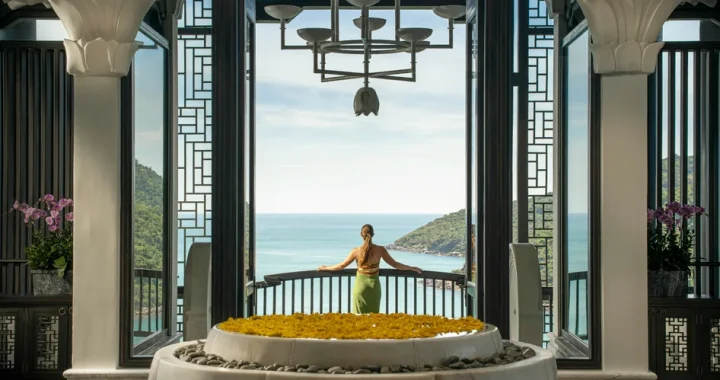

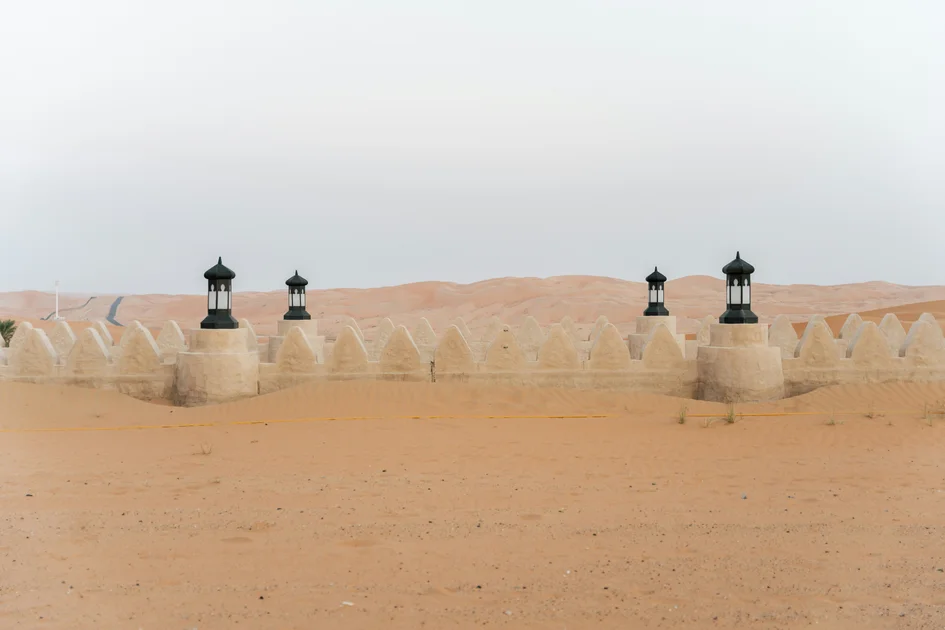
Off the beaten path: exclusive destinations becoming the choice of high-end travelers has shifted from a niche preference to the definitive standard for luxury tourism in 2026. As ultra-high-net-worth individuals grow weary of the predictable glitz of Paris, Dubai, or St. Barts, the desire for genuine, secluded, and transformative experiences has reached an all-time high. Modern affluent adventurers now prioritize privacy, cultural immersion, and ecological sensitivity over traditional markers of wealth. This evolution in travel preferences is fundamentally reshaping the global hospitality industry, pushing boutique operators to develop ultra-luxe retreats in previously inaccessible corners of the globe. By seeking out these hidden gems, travelers are not just visiting a location; they are curating a legacy of discovery that defines the future of elite global exploration.
The Shift Toward Seclusion
The contemporary luxury landscape is defined by the scarcity of presence. In 2026, the hallmark of a true high-end vacation is the ability to disconnect entirely from the reach of mass tourism. Travelers are increasingly turning away from crowded landmarks and opting for private island estates, remote mountain lodges, and interior desert sanctuaries where the only neighbors are local wildlife. This transition reflects a deeper psychological need for peace and personal space, which has become the ultimate luxury commodity in an increasingly connected world. By favoring anonymity, high-end travelers ensure that their experiences remain authentic rather than commodified by social media trends or massive cruise ship arrivals.
This preference for isolation is supported by advancements in private aviation and bespoke logistics, which make even the most remote corners of the planet accessible with unprecedented comfort. Whether it is a private camp in the unexplored highlands of Central Asia or a sustainable eco-resort in the depths of the Amazon, the focus remains on high-touch service within a low-impact environment. Wealthy globetrotters are willing to pay a premium for logistical expertise that secures exclusive entry to sensitive cultural sites or pristine natural reserves, ensuring that their journey is as unique as their personal brand. The era of the bucket-list trophy destination is being replaced by the era of the bespoke, quiet sanctuary.
Related Posts
- Redefining the Jet-Set: Best Luxury Travel Experiences for the Global Explorer in 2026
- The Future of Luxury Tourism: Why Personalized Journeys are Replacing Standard Packages
- The Architecture of Elegance: Success Stories Behind the World’s Leading Luxury Houses
- Building a Timeless Wardrobe: Why Quality and Craftsmanship Still Rule Luxury Fashion
- Creating the Unforgettable: How Luxury Brands Master the Art of Unique Customer Experiences
Reddit & Expert Community Consensus
The consensus among luxury travel experts on platforms like FlyerTalk and Reddit’s r/luxurytravel is clear: true exclusivity is now defined by the absence of crowds rather than the presence of gold-plated amenities. One seasoned traveler noted, “My most memorable trip of 2026 wasn’t the five-star suite in a capital city, but a week in a remote Mongolian ger camp where the silence was profound and the local engagement felt real.” Another industry consultant highlighted, “Clients are tired of the ‘Instagrammable’ trap. They want to be the only ones in the room, and they want the story that comes with being the first to discover a hidden gem.”
These insights underscore a growing sentiment that the value of travel is found in the rarity of the experience. Experts argue that high-net-worth travelers are moving away from traditional hotel chains and toward private buyouts of historical estates or remote wilderness retreats. This collective pivot suggests that the future of luxury is not about showing off, but about the profound, private resonance of a destination that few others have even heard of, let alone visited.
Pros and Cons Analysis
Understanding the transition to remote luxury requires a balanced perspective. While the rewards are immense, the challenges associated with off-the-beaten-path travel are distinct and require careful consideration for the discerning traveler.
| Feature | Pros | Cons |
|---|---|---|
| Privacy | Unmatched isolation and tranquility | Potential for extreme social solitude |
| Authenticity | Genuine cultural immersion | Limited infrastructure and resources |
| Sustainability | Low environmental footprint | Logistics can be complex to manage |
| Exclusivity | Access to untouched landscapes | Higher cost for private transport |
The primary benefit of this travel style is the unparalleled level of serenity and the opportunity to engage with cultures that have not been diluted by mass tourism. However, the drawbacks often center on the unpredictability of remote locations, such as limited medical facilities or the occasional absence of high-speed connectivity. For those who prioritize safety and convenience above all else, these destinations may present a steep learning curve. Nevertheless, for the modern explorer, these inconveniences are often viewed as part of the authentic charm that makes the journey truly valuable.
The Rise of Regenerative Tourism
Investing in Local Ecosystems
Beyond the personal experience, high-end travelers are increasingly committed to regenerative tourism, a philosophy that seeks to leave a destination better than it was found. In 2026, luxury is no longer just about taking; it is about contributing to the conservation of delicate ecosystems and the prosperity of indigenous communities. Discerning travelers now select boutique lodges that operate on circular economy models, utilizing renewable energy and sourcing exclusively from local artisans. This trend is driven by a profound sense of responsibility among affluent travelers who understand that their influence can serve as a powerful force for global environmental preservation.
This commitment to positive impact extends to cultural heritage as well. By patronizing small-scale, locally-owned experiences, travelers ensure that their presence supports the preservation of traditional crafts and languages. This symbiotic relationship between the traveler and the destination creates a deeper emotional connection, transforming a simple vacation into a meaningful partnership. When the guest feels that their investment is protecting a forest or funding a school, the value of the trip increases exponentially, moving beyond the transactional nature of traditional luxury travel into the realm of purposeful, legacy-driven exploration.
Logistical Excellence and Bespoke Planning
Executing an excursion to an off-the-beaten-path location requires a level of logistical sophistication that only top-tier travel designers can provide. In 2026, the reliance on specialized concierge services has surged as travelers seek to mitigate the risks associated with remote exploration. These professionals handle everything from private charter flights to secure local ground transport, ensuring that the journey remains seamless even in the most challenging terrains. The ability to navigate bureaucratic hurdles, such as securing private permits for restricted areas, is a critical service that allows high-end travelers to push the boundaries of their itinerary without the typical stressors of travel planning.
Furthermore, these bespoke services provide access to exclusive experiences that are never listed on public booking platforms. By leveraging deep-rooted local networks, travel designers can arrange private dinners with local leaders, behind-the-scenes access to archaeological digs, or private viewings of art collections in remote areas. This level of insider access is the ultimate differentiator for the modern high-end traveler. It transforms a standard trip into a curated journey of discovery that is tailored to the specific intellectual and aesthetic interests of the individual, ensuring that the experience is truly one-of-a-kind and inaccessible to the general public.
Key Takeaways
- Privacy and seclusion are the new primary markers of high-end luxury in 2026.
- Regenerative tourism is replacing traditional luxury as a way to ensure long-term sustainability.
- Bespoke logistical planning is essential for accessing remote and protected regions safely.
- High-end travelers prioritize authentic, low-impact cultural interactions over mass-market experiences.
- The value of a destination is increasingly tied to its rarity and the lack of digital footprints.
- Investment in local communities is now considered a standard aspect of responsible, upscale travel.
Frequently Asked Questions
What defines a destination as off the beaten path?
It is a location that lacks major commercial tourism infrastructure, remains largely untouched by mass travel, and requires specialized planning to reach.
Is remote travel safe for high-end travelers?
When organized through reputable, high-end travel designers who provide secure logistics and local support, these trips are exceptionally safe and managed.
How has luxury travel changed in 2026?
Luxury has shifted from opulent, gold-standard service to experiential, private, and environmentally conscious journeys that provide deep personal satisfaction.
Are these trips more expensive than traditional luxury?
Yes, due to the complexity of logistics, private transportation, and the bespoke nature of the services, these trips typically command a higher price point.
How can I ensure my travel is regenerative?
Look for operators who are certified in sustainable practices, prioritize hiring local staff, and demonstrate clear investment in local environmental conservation.
Conclusion
As we navigate the trends of 2026, it is evident that the definition of luxury has evolved into something far more profound than mere extravagance. Off the beaten path: exclusive destinations becoming the choice of high-end travelers signifies a move toward a more thoughtful, intentional, and respectful way of seeing the world. By choosing silence over noise and authenticity over artifice, the modern traveler is crafting a future where exploration serves to protect and elevate the world’s most precious hidden treasures. This movement is not just a passing fad but a permanent shift in how we define a life well-lived.