
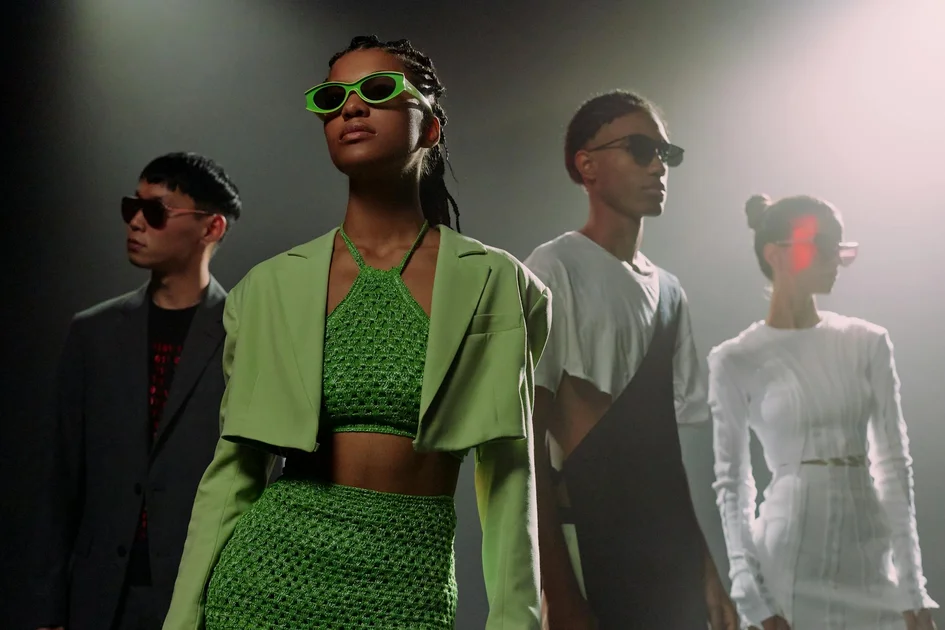
The 2026 Premium Fashion Edit: Essential Trends for the Modern Global Shopper represents a pivotal shift in how we perceive luxury, sustainability, and personal expression in a rapidly evolving digital landscape. As we navigate the complexities of the mid-decade market, the modern shopper is no longer satisfied with mere brand prestige; they demand technical innovation, supply chain transparency, and timeless silhouettes that transcend seasonal cycles. This year, the focus has shifted toward hyper-personalized tailoring and the integration of bio-fabricated textiles that offer both durability and aesthetic sophistication. By curating a wardrobe that balances heritage craftsmanship with futuristic materials, fashion enthusiasts are redefining the boundaries of elegance. Whether you are navigating professional boardrooms or international travel, understanding these essential pillars will ensure your style remains relevant, functional, and inherently forward-thinking throughout the current year.
The Evolution of Sustainable Luxury
In 2026, sustainability has transitioned from a marketing buzzword to the primary metric of luxury consumption. High-end fashion houses are now prioritizing circularity, where every garment is designed with its eventual recycling or upcycling in mind. This movement is supported by the widespread adoption of blockchain-verified provenance, allowing shoppers to trace the entire lifecycle of a piece from raw material extraction to the final stitch. By choosing brands that invest in regenerative agriculture and carbon-neutral logistics, consumers are actively participating in a more responsible ecosystem. This shift reflects a growing consumer consciousness that values environmental stewardship as much as design excellence.
Beyond material sourcing, the rise of modular luxury is transforming how we build our collections. Instead of disposable trends, the modern wardrobe is anchored by convertible garments—jackets that transform into vests, or trousers with adjustable hemlines—that adapt to varying climates and social settings. This versatility reduces the need for excessive consumption while ensuring that each item serves multiple purposes. For more insights on global sustainability standards in the garment industry, visit the Textile Exchange for their latest reports on material innovation and supply chain transparency.
Related Posts
- The Rise of Experiential Luxury: Why High-Value Moments Outweigh Material Goods Today
- Safe and Secure: How to Identify Authentic Luxury Goods in the Global Online Market
- Smart Shopping Strategies: How to Effectively Compare Premium Products Before You Buy
- Timeless vs. Trendy: How to Invest in Pieces That Define a Premium Lifestyle
- The Future of Luxury Tourism: Why Personalized Journeys are Replacing Standard Packages
Advanced Material Science in Fashion
The integration of biotechnology into high-end apparel is the defining trend of 2026. We are witnessing the mainstream adoption of lab-grown silks and mycelium-based leathers that outperform traditional animal products in both tactile feel and tensile strength. These materials are not only more ethical but also offer unique properties, such as enhanced moisture-wicking, thermal regulation, and antimicrobial finishes. As these bio-engineered textiles become more accessible, the aesthetic possibilities have expanded, allowing designers to create structures and textures that were previously impossible with conventional looms or tanning processes.
These technological advancements are particularly evident in the realm of high-performance outerwear and formal tailoring. By blending traditional tailoring techniques with smart-fabric integrations, labels are creating pieces that respond to the wearer’s body temperature and environmental conditions. This fusion of utility and couture is essential for the global traveler who requires garments that look impeccable in a climate-controlled office yet perform under fluctuating external conditions. As synthetic biology continues to mature, we expect to see even more radical innovations in self-repairing fabrics and color-changing pigments that further personalize the retail experience.
The 2026 Style Comparison Table
| Feature | Traditional Luxury | Bio-Tech Modernism | Modular Avant-Garde |
|---|---|---|---|
| Material Source | Natural Fibers/Hides | Lab-Grown/Bio-Fabricated | Recycled Tech-Textiles |
| Primary Benefit | Heritage & Status | Sustainability & Tech | Utility & Versatility |
| Lifecycle | Heirloom/Long-term | Regenerative/Closed-Loop | Adaptable/Multi-functional |
| Maintenance | Professional Cleaning | Low-Impact/Self-Cleaning | Washable/Durable |
Global Aesthetic Shifts
Fashion in 2026 is increasingly borderless, drawing heavy inspiration from the intersection of digital subcultures and ancestral craftsmanship. We are seeing a resurgence of maximalist patterns from the Global South fused with the minimalist, clean lines of Scandinavian design. This cross-pollination is driven by a digitally connected global community that shares style cues across borders in real-time. The modern shopper values this cultural synthesis, seeking out pieces that tell a story of global interconnectedness rather than those that adhere to rigid regional archetypes. This fluid approach to design allows for a more authentic form of self-expression.
Furthermore, the digital influence on physical fashion has never been more pronounced. Virtual fittings and AI-driven style consultations have become standard for premium retailers, ensuring that the silhouette of every garment is perfectly calibrated to the individual body type. This hyper-personalization removes the friction of online shopping, making high-end tailoring accessible to a global audience. For a deeper dive into how digital transformation is reshaping global retail, the Business of Fashion provides comprehensive analysis on current market shifts and consumer behavior patterns that define our modern era.
The Rise of Virtual-Physical Hybrids
The concept of phygital fashion—garments that exist both as physical items and as digital assets—has matured significantly. In 2026, purchasing a premium suit or gown often includes a digital twin, allowing the wearer to represent their style in virtual environments or social platforms. This dual-presence strategy allows the modern shopper to maximize the utility of their investment. As we spend more time in immersive spaces, the ability to maintain a consistent, high-end visual identity across both realms is becoming a hallmark of the contemporary fashion-forward individual.
Cost and Pricing Breakdown
Navigating the premium market requires a strategic approach to investment. While the upfront costs for 2026 fashion trends are higher due to research and development, the value proposition is centered on longevity. Below is a breakdown of how to budget for a sustainable, high-performance wardrobe.
- Core Investment Pieces: $1,500 – $4,000 (Tailored outerwear, bio-leather accessories)
- Mid-Tier Versatile Staples: $500 – $1,200 (Modular shirts, technical trousers)
- Accessories & Tech Add-ons: $200 – $600 (Smart-textile footwear, digital integration services)
- Maintenance & Upkeep: 5-10% of total wardrobe value annually
The Future of Retail Experiences
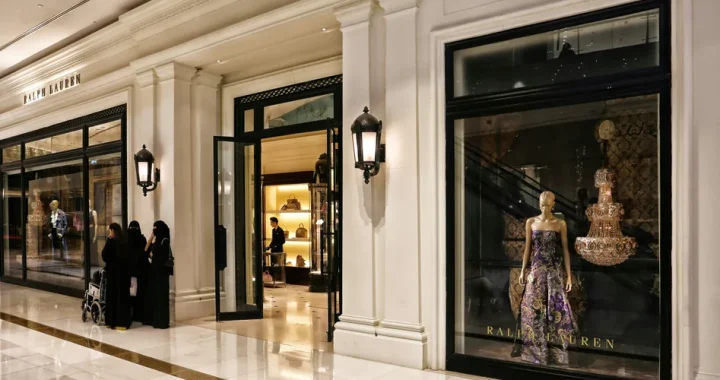
The traditional retail model is being replaced by experiential hubs that prioritize community and education over simple transaction volumes. In 2026, flagship stores are designed as galleries where customers can engage with the science behind their clothing, participate in repair workshops, or meet the artisans behind their garments. This shift toward service-oriented retail fosters deep brand loyalty and trust. By transforming the store into a destination for learning and connection, brands are successfully navigating the challenges posed by e-commerce, proving that physical presence remains vital when enriched with meaningful, high-touch services.
Furthermore, the rise of rental and resale platforms directly integrated into luxury brand ecosystems is curbing waste while increasing accessibility. Many premium houses now offer a buy-back guarantee, ensuring that garments remain within the brand’s circular loop for as long as possible. This commitment to the entire lifespan of a product is the ultimate signal of quality. For those looking to explore the most reputable resale platforms that align with 2026 sustainability standards, refer to the Vogue Business directory for vetted circular fashion partners.
Key Takeaways
- Prioritize garments made from bio-fabricated materials to ensure durability and ethical standards.
- Invest in modular, multi-functional pieces that adapt to various environmental conditions.
- Utilize digital tools and virtual fitting services to ensure a perfect, bespoke-like fit.
- Support brands that offer circularity, such as buy-back programs or repair services.
- Embrace the phygital trend to maintain a consistent style across physical and virtual spaces.
- Focus on quality over quantity to build a timeless, sustainable, and highly personal wardrobe.
Frequently Asked Questions
What is the most important trend in 2026?
The most significant trend is the integration of biotechnology into luxury textiles, combined with a circular approach to manufacturing that emphasizes longevity and environmental responsibility.
Are phygital garments worth the investment?
Yes, they provide dual value by allowing you to project your personal style in both physical and virtual settings, effectively doubling the utility of your high-end fashion purchases.
How can I ensure my wardrobe is sustainable?
Look for brands that provide blockchain-verified supply chain transparency, use bio-fabricated or recycled materials, and offer repair or resale services for their products.
What defines modular luxury?
Modular luxury refers to clothing items designed with interchangeable or adjustable parts, allowing a single garment to serve multiple functions or aesthetic styles, thereby reducing the need for excess clothing.
How do I maintain bio-tech fabrics?
Most 2026 bio-tech fabrics are designed for low-impact care; follow the specific digital tags attached to each garment, which provide precise, long-term care instructions based on the material’s composition.
Conclusion
The 2026 Premium Fashion Edit: Essential Trends for the Modern Global Shopper serves as a roadmap for navigating the sophisticated intersection of technology, style, and sustainability. As we move forward, the most successful wardrobes will be those defined by intentionality—where every piece is chosen for its ability to last, perform, and reflect the values of its wearer. By embracing innovation and prioritizing quality over fleeting fads, you are not just keeping pace with the industry; you are setting the standard. Stay curious, invest wisely, and let your personal style remain a reflection of the evolving world around you.