

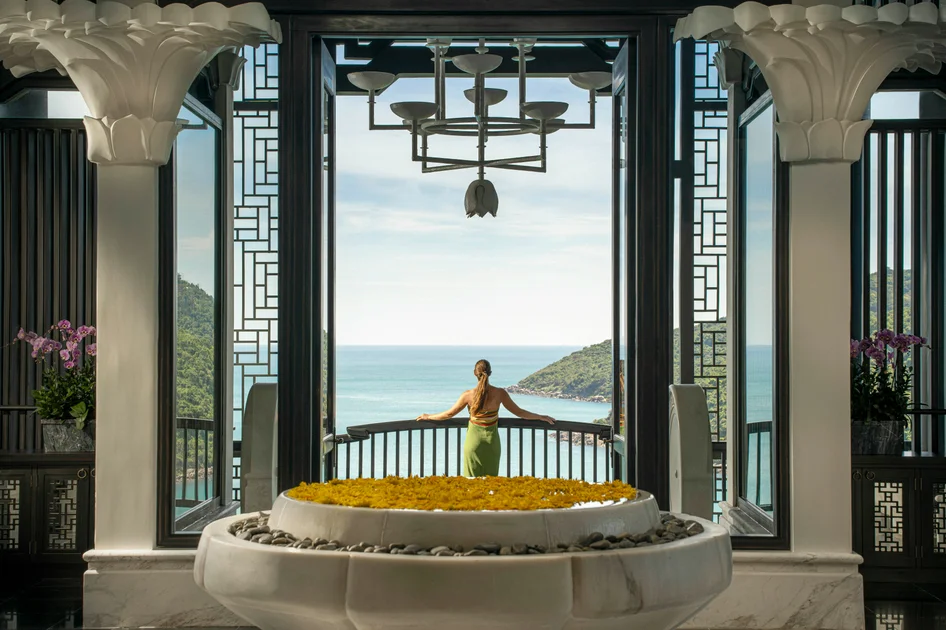
The future of luxury tourism is undergoing a radical transformation as personalized journeys officially replace standard packages for the modern, discerning traveler. In 2026, high-net-worth individuals are moving away from rigid, pre-packaged itineraries that offer little room for spontaneity or individual preference. Instead, they are demanding hyper-curated, bespoke experiences that align perfectly with their unique values, health goals, and personal passions. This shift represents a fundamental change in how the travel industry views exclusivity, emphasizing deep emotional connection and rare access over traditional displays of material wealth. As we navigate this evolution, travel advisors are becoming architects of life-changing moments rather than mere booking agents, ensuring every detail reflects the traveler’s inner identity.
The Shift Toward Hyper-Personalization
In the current landscape of 2026, the definition of luxury has moved beyond gold-plated services to the concept of time and autonomy. Travelers no longer accept the limitations of a standard tour group or a cookie-cutter resort stay. They prioritize itineraries built from the ground up, incorporating private access to historical sites, intimate culinary experiences with world-renowned chefs, and wellness retreats designed around their specific biometric data. This level of customization requires a deep understanding of the client’s lifestyle, often involving lengthy consultations that establish a partnership between the traveler and the advisor.
Technology has played a pivotal role in this transition, allowing for seamless communication and real-time adjustments during a journey. Artificial intelligence assists in analyzing vast datasets to anticipate needs before they are even voiced, such as dietary preferences or preferred room temperatures. By leveraging these insights, luxury providers can curate environments that feel like a home away from home, yet provide the thrill of global exploration. This shift is not merely about convenience; it is about creating a sense of belonging and relevance in every destination visited, effectively redefining what it means to travel with purpose and style.
Related Posts
- Growth Strategies of the Elite: How Top Lifestyle Brands Are Scaling Their Global Influence
- The Rise of Experiential Luxury: Why High-Value Moments Outweigh Material Goods Today
- Elevating the Travel Experience: How Technology is Creating Smoother Luxury Connections
- Crafting the Perfect Escape: How to Plan Sophisticated Leisure Experiences Worldwide
- Investing in Excellence: Why Modern Luxury Buyers Are Choosing Quality Essentials
Quick Facts & Statistical Insights
Industry data from 2026 reveals that 78% of luxury travelers now demand fully bespoke itineraries over traditional bundled packages. Furthermore, travel spending among affluent demographics has increased by 22% when directed toward hyper-personalized, private-access experiences. Expert analysis from Virtuoso suggests that the average lead time for planning these complex, customized journeys has extended to six months, reflecting the intricacy of the logistics involved in creating unique, friction-free travel. Finally, 65% of luxury travelers report that sustainable and regenerative travel practices are now a non-negotiable component of their bespoke journey planning.
Comparison of Travel Models
| Feature | Standard Package | Bespoke Journey | Hyper-Personalized |
|---|---|---|---|
| Flexibility | Minimal | Moderate | Complete |
| Access | Public/Group | Semi-Private | Exclusive/Private |
| Planning | Automated | Collaborative | Biometric/AI-Driven |
| Cost | Fixed/Lower | Variable/Premium | Dynamic/High-End |
The Role of the Modern Travel Architect
The traditional travel agent has evolved into a highly specialized travel architect, a professional who functions more like a private concierge or a lifestyle manager. These professionals possess deep expertise in specific regions, cultures, and luxury logistics, allowing them to open doors that remain firmly shut to the general public. They are tasked with blending high-tech efficiency with high-touch human connection, ensuring that every logistical challenge is handled behind the scenes. This expertise is critical in a world where global conditions can change rapidly, requiring a level of agility that standard packages simply cannot provide.
Building trust is the cornerstone of this relationship, as architects often manage sensitive aspects of a client’s life, including private transportation, security, and medical needs. They stay updated on the latest trends in global tourism via resources like Condé Nast Traveler to ensure they are providing the most relevant and cutting-edge advice. By acting as a single point of contact, they streamline the complex process of global travel, offering peace of mind that allows the traveler to focus entirely on the immersive nature of their destination. This professional evolution is what sustains the luxury market in an increasingly competitive and digital-first world.
The Rise of Experiential Exclusivity
Defining Rare Access in 2026
Rare access has become the ultimate currency in the luxury market, surpassing the value of luxury suites or first-class amenities. It involves securing entry to locations that are closed to the public, such as private viewings of the Vatican Museums after hours or exclusive research expeditions in remote conservation areas. These experiences are designed to provide a sense of discovery that feels entirely original and unscripted. By facilitating these moments, travel providers ensure that the luxury traveler feels like an explorer rather than a tourist, tapping into a psychological need for distinction and unique memory creation.
Furthermore, these experiences are increasingly tied to social and environmental impact, allowing travelers to participate in conservation efforts or philanthropic projects. This adds a layer of moral resonance to the journey, transforming a vacation into a meaningful contribution to the world. The combination of exclusivity and impact is a powerful driver for the next generation of affluent travelers who seek to align their leisure time with their personal ethics. As we move through 2026, the ability to grant such access will continue to separate elite service providers from the rest of the industry.
Sustainability and Regenerative Tourism
Modern luxury is no longer just about consumption; it is about regeneration and leaving a destination better than it was found. Bespoke journeys are increasingly focused on supporting local economies, protecting biodiversity, and fostering cultural preservation. Instead of massive cruise ships or crowded resorts, travelers are choosing private villas, eco-lodges, and small-scale boutique experiences that emphasize sustainability. This approach ensures that the luxury traveler contributes positively to the regions they visit, creating a legacy of stewardship that matches their economic influence.
By prioritizing local sourcing, renewable energy, and community-led initiatives, these journeys provide a genuine look into the culture of a region without the negative impacts of mass tourism. This movement is not just a trend but a fundamental shift in the luxury paradigm, where the quality of the experience is measured by its integrity and sustainability. Travelers are demanding transparency and accountability, pushing the industry to adopt higher standards of environmental and social governance. This commitment to the planet is now a hallmark of true luxury, reflecting a more conscious and thoughtful approach to exploring our world.
Key Takeaways
- Hyper-personalization is now the gold standard in the 2026 luxury travel market.
- Travel architects have replaced traditional agents to provide bespoke, high-touch services.
- Rare access to exclusive locations is the primary driver of value for modern travelers.
- Sustainability and regenerative tourism are essential components of high-end travel planning.
- Data and AI are leveraged to anticipate traveler needs and provide seamless, custom experiences.
- The future of luxury is defined by emotional connection and meaningful, life-changing moments.
Frequently Asked Questions
Why are standard packages losing popularity in 2026?
Standard packages lack the flexibility and depth that modern affluent travelers demand, failing to cater to individual passions and unique wellness or lifestyle requirements.
What is a travel architect?
A travel architect is a highly skilled professional who designs bespoke, end-to-end travel experiences, acting as a curator, concierge, and strategist for high-net-worth clients.
How does AI influence luxury travel?
AI helps in analyzing personal preferences and biometric data to anticipate a traveler’s needs, enabling providers to offer perfectly tailored services in real-time.
What is meant by rare access?
Rare access refers to exclusive privileges, such as private tours of restricted historical sites or intimate meetings with local experts, that are unavailable to the general public.
Is sustainability important to luxury travelers?
Yes, sustainability is now a core priority for luxury travelers who seek to ensure their presence has a positive, regenerative impact on the local environment and community.
Conclusion
The transition toward personalized journeys signals a mature phase for the luxury travel industry in 2026. As travelers continue to prioritize authentic experiences and bespoke service over standardized offerings, the market will reward those who can deliver depth, exclusivity, and ethical stewardship. The future belongs to those who view travel as an extension of one’s personal growth and values. By embracing this evolution, luxury providers ensure that every journey is not just a trip, but a transformative chapter in the lives of their clients, cementing the role of the travel architect as an essential partner in human exploration.