
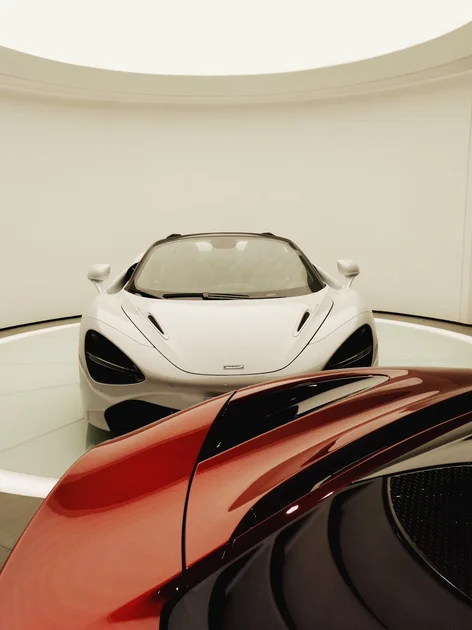
Investing in excellence has become the defining hallmark of the modern luxury buyer in 2026, as discerning consumers pivot away from fleeting fast-fashion trends toward enduring quality essentials. This shift represents a fundamental change in consumer psychology, where the value of an item is no longer measured by its logo or seasonal relevance, but by its longevity, craftsmanship, and sustainability. As global economic landscapes fluctuate, high-net-worth individuals are prioritizing asset-like purchases that retain utility and aesthetic appeal over decades. By choosing timeless pieces over disposable goods, shoppers are curating personal collections that reflect a commitment to refined taste and environmental consciousness. This article explores why the move toward permanent, high-quality staples is the most sophisticated investment strategy for the contemporary luxury market.
The Shift Toward Conscious Luxury
In 2026, the definition of opulence has evolved from conspicuous consumption to quiet, intentional acquisition. Modern luxury buyers are increasingly scrutinizing supply chains, material sourcing, and the ethical labor practices behind their purchases. This movement, often described as the democratization of craftsmanship, emphasizes the importance of buying fewer items but ensuring those items are of the highest caliber. By focusing on excellence, consumers reduce their carbon footprint while simultaneously elevating their personal style through items that do not age poorly. This transition is supported by data from The Business of Fashion, which highlights that heritage brands are seeing renewed interest due to their historical focus on repairability and material excellence.
The psychological satisfaction derived from owning a high-quality essential is profound, offering a sense of stability in an unpredictable world. Unlike trend-driven merchandise that loses value the moment a new season begins, quality essentials act as foundational pillars for a wardrobe or home. Buyers are finding that the cost-per-wear or cost-per-use calculation heavily favors premium goods. When an item is constructed from superior textiles or durable metals, it withstands the rigors of daily life, maintaining its integrity long after cheaper alternatives would have degraded. This shift signifies a maturation of the luxury market, where expertise and provenance are the ultimate status symbols, far surpassing the superficial appeal of viral aesthetic trends.
Related Posts
- Safe and Secure: How to Identify Authentic Luxury Goods in the Global Online Market
- The Rise of Experiential Luxury: Why High-Value Moments Outweigh Material Goods Today
- Predicting the Future: How Luxury Consumer Behavior is Shifting Across Global Markets in 2026
- Building a Timeless Wardrobe: Why Quality and Craftsmanship Still Rule Luxury Fashion
- The Architecture of Elegance: Success Stories Behind the World’s Leading Luxury Houses
Understanding Material Provenance
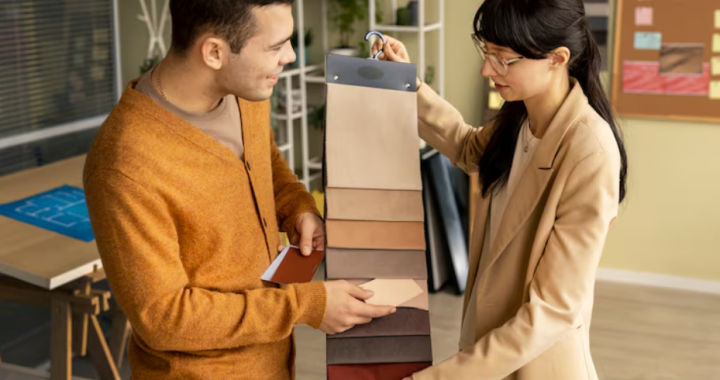
True excellence begins at the source, and 2026 luxury buyers are becoming experts in material science and origin. Whether it is the specific mill in Italy producing cashmere or the artisanal tannery in France supplying leather, the modern buyer demands transparency. Understanding where raw materials come from allows consumers to appreciate the inherent value of the labor and time required to transform these materials into finished goods. When a buyer invests in a garment or a piece of furniture, they are essentially buying into a legacy of craftsmanship that has been refined over generations. This level of granular knowledge transforms the shopping experience from a simple transaction into an act of appreciation for human skill.
The Role of Artisanal Skill
Beyond the material itself, the craftsmanship applied during production is what separates a standard item from a true essential. Hand-stitched finishes, reinforced seams, and proprietary weaving techniques are the invisible details that guarantee longevity. As automation becomes more prevalent in manufacturing, the premium placed on human-made goods continues to rise. Luxury houses that retain artisanal workshops report higher customer loyalty, as their clients value the unique imperfections and character that come with human intervention. In 2026, the narrative of the artisan has become just as important as the product itself, providing an emotional connection that mass-produced items simply cannot replicate in the hearts of sophisticated buyers.
Cost & Pricing Breakdown
Investing in excellence requires a strategic approach to budgeting, as the initial price point is often higher than traditional retail. However, when analyzed over a five-to-ten-year lifecycle, these investments provide significant financial efficiency. The following breakdown illustrates how luxury buyers categorize their spending to ensure maximum value retention.
| Category | Estimated Investment | Primary Benefit |
|---|---|---|
| Tier 1: Foundational Staples | $500 – $1,500 | High daily utility and material durability. |
| Tier 2: Signature Heritage Items | $2,000 – $5,000 | Timeless design that appreciates in secondary value. |
| Tier 3: Bespoke Masterpieces | $10,000+ | Unmatched personalization and artisanal exclusivity. |
Comparison Table / Specifications Table
To better understand why modern buyers select specific goods, it is helpful to compare the features of fast-luxury versus true, heirloom-quality essentials. The table below outlines the distinct technical differences that influence purchasing decisions for the elite consumer.
| Feature | Fast-Luxury Item | Heirloom Quality Essential |
|---|---|---|
| Material Source | Synthetic/Mass-Market Blend | Sourced Heritage Natural Fiber |
| Construction | Adhesive/Machine Stitched | Hand-Finished/Reinforced |
| Repairability | Limited or Impossible | Full Service/Lifetime Warranty |
| Market Value | Depreciates Rapidly | Stable or Appreciating |
The Psychology of Longevity
The decision to invest in quality essentials is rooted in the desire for permanence within a hyper-connected, fast-paced digital era. When a buyer chooses an item designed to last a lifetime, they are opting out of the cycle of constant replacement that defines the contemporary retail landscape. This psychological anchor provides a sense of calm and order, allowing individuals to focus their energy on pursuits beyond the superficial. According to insights from Forbes, the “slow luxury” movement is directly linked to increased mental well-being, as individuals cultivate environments filled with objects that have personal history and lasting worth.
Furthermore, the act of maintaining these quality essentials—polishing leather, re-soling shoes, or conditioning wood—creates a tactile relationship between the owner and the object. This ritualistic care fosters a deeper appreciation for the item, transforming it into an heirloom that can eventually be passed down to future generations. In 2026, the most successful luxury buyers are those who view their collections as personal archives. By prioritizing excellence, they curate a life that feels more authentic and grounded, ensuring that every object in their possession serves a meaningful purpose and retains its relevance for years to come.
Key Takeaways
- Prioritize material provenance and ethical sourcing over brand logos.
- View luxury purchases as long-term assets rather than disposable expenses.
- Seek out items with documented repair and maintenance programs.
- Focus on timeless silhouettes that transcend seasonal fashion trends.
- Understand that the cost-per-use of quality goods is lower than cheap alternatives.
- Cultivate a personal archive of items that tell a story of craftsmanship.
Frequently Asked Questions
Why is quality now considered an investment?
Quality items retain their utility and value over time, unlike mass-produced goods. In 2026, buyers recognize that high-end materials and superior construction methods prevent the need for frequent replacement, making them a sound financial choice.
How do I identify true heirloom quality?
Look for transparent supply chains, hand-finished details, and the availability of professional repair services. If a brand offers a lifetime warranty or refurbishment program, it is a strong indicator of their commitment to excellence.
Is it worth spending more on basics?
Yes, because basics form the foundation of your daily life. Spending more on a high-quality white shirt, a durable leather bag, or a well-constructed wool coat ensures that your most-used items remain in pristine condition for years.
What is the role of sustainability in luxury?
Sustainability is now synonymous with luxury. By choosing excellence, you support brands that prioritize eco-friendly production, ethical labor, and circularity, which are critical components of the modern luxury market.
How can I start building a luxury collection?
Start by identifying one category where you spend the most time, such as footwear or office gear. Allocate a budget for a single, high-quality essential in that category, and prioritize brands known for their heritage and craftsmanship.
Conclusion
Investing in excellence is more than a financial strategy; it is a commitment to a life defined by quality, sustainability, and personal integrity. By choosing to surround ourselves with items that are built to last, we reject the noise of disposable culture and embrace a more refined way of living. As we move deeper into 2026, the value of true craftsmanship will only continue to rise, rewarding those who have had the foresight to invest in the exceptional. Your collection of essentials is a testament to your values, ensuring that what you own remains as meaningful tomorrow as it is today.