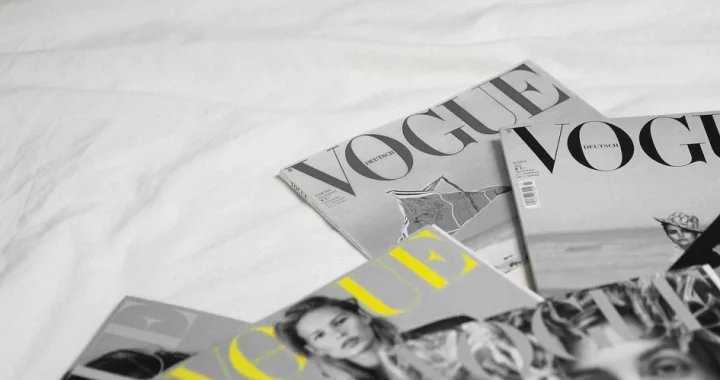

As we navigate the landscape of high-end consumerism, The 2026 Guide to Modern Luxury: How Sustainable Living is Redefining Premium Experiences serves as the ultimate blueprint for understanding how ecological responsibility has become the ultimate status symbol. Today’s affluent consumers are rejecting ostentatious displays of wealth in favor of mindful consumption, prioritizing carbon-neutral travel, circular fashion, and biophilic architectural designs. This shift is not merely a passing trend but a profound cultural evolution where exclusivity is measured by positive global impact rather than excess. High-net-worth individuals now demand absolute transparency, ethical supply chains, and zero-waste manufacturing from the brands they patronize. By aligning personal values with premium acquisitions, modern tastemakers are proving that true elegance lies in preservation, innovation, and an unwavering commitment to safeguarding our planet for future generations.
The New Definition of Exclusivity
Luxury is no longer defined by scarcity or exorbitant price tags alone. In 2026, the elite demographic values legacy, craftsmanship, and ecological footprint above all else. Premium experiences are increasingly curated around regenerative practices, where high-end hospitality brands actively restore ecosystems rather than just minimizing damage. This paradigm shift has forced traditional luxury houses to re-evaluate their core values, transitioning from linear production models to sophisticated circular frameworks. Today, a product’s story, including its ethical sourcing and carbon-offset journey, constitutes its genuine prestige, appealing directly to a highly conscious global audience that views environmental stewardship as a non-negotiable aspect of modern high-end living.
Furthermore, modern luxury consumers are seeking deep, authentic connections with the items they purchase and the destinations they visit. Mass-produced luxury has lost its luster, giving way to hyper-personalized, small-batch creations that honor local heritage and utilize sustainable materials. Whether it is a bespoke timepiece crafted from upcycled ocean steel or a private safari that funds local wildlife conservation, premium experiences are now measured by their positive legacy. This evolution represents a holistic approach to living well, where personal wellness is inextricably linked to the health of our global environment, prompting brands to innovate continuously to meet these elevated standards.
Related Posts
- Elevating the Travel Experience: How Technology is Creating Smoother Luxury Connections
- The Future of Luxury Tourism: Why Personalized Journeys are Replacing Standard Packages
- The Architecture of Elegance: Success Stories Behind the World’s Leading Luxury Houses
- Timeless vs. Trendy: How to Invest in Pieces That Define a Premium Lifestyle
- The Luxury Buyer’s Handbook: Ensuring Quality and Authenticity in Every Purchase
High-End Eco-Tourism and Regenerative Travel
The travel industry has undergone a massive transformation as ultra-luxury voyagers demand carbon-positive itineraries that actively improve local communities. Elite travelers are bypassing conventional five-star resorts for off-grid, ultra-luxurious eco-lodges that rely entirely on renewable energy sources. These premium destinations offer immersive experiences, such as participating in marine biology research or supporting reforestation efforts, while providing world-class amenities and gourmet, farm-to-table dining. According to insights from National Geographic, regenerative travel has become the fastest-growing sector in premium tourism, setting a new benchmark for what it means to travel responsibly without sacrificing comfort, style, or personal indulgence.
Moreover, luxury hospitality brands are investing heavily in advanced green technologies, from solar-powered yachts to zero-emission private aviation alternatives. Travelers in 2026 expect their journeys to leave zero trace, prompting hotels to eliminate single-use plastics entirely and implement highly sophisticated water-recycling systems. The modern luxury traveler views conservation as an essential component of their itinerary, seeking out destinations that actively protect biodiversity and support indigenous populations. This integration of high technology and environmental stewardship ensures that premium travel remains a force for good, preserving the world’s most pristine landscapes for future generations of discerning explorers.
Circularity in Haute Couture and Premium Fashion
The global fashion industry is experiencing a profound revolution led by heritage houses that have embraced circular design principles. Premium fashion brands are moving away from seasonal trends, focusing instead on timeless, durable garments constructed from bio-based textiles and recycled luxury fibers. High-end consumers now view their wardrobes as curated collections of investments, frequently participating in luxury resale markets and rental platforms to extend the lifecycle of their garments. This shift toward circularity has elevated the status of vintage and archived pieces, making circular fashion a hallmark of sophisticated personal style and environmental consciousness, as reported by Vogue Business.
Innovative material science is at the heart of this sustainable fashion movement, with luxury designers utilizing lab-grown silks, plant-based leathers, and biodegradable dyes. These high-tech materials offer the same tactile richness and durability as traditional textiles while significantly reducing water consumption and chemical waste. Brands that transparently share their supply chain metrics, from raw material harvesting to final assembly, are winning the loyalty of discerning shoppers who refuse to compromise on ethics or aesthetics. Consequently, sustainable fashion has transitioned from a niche market segment to the absolute standard of excellence in haute couture and premium retail globally.
Biophilic Architecture and Sustainable Estates
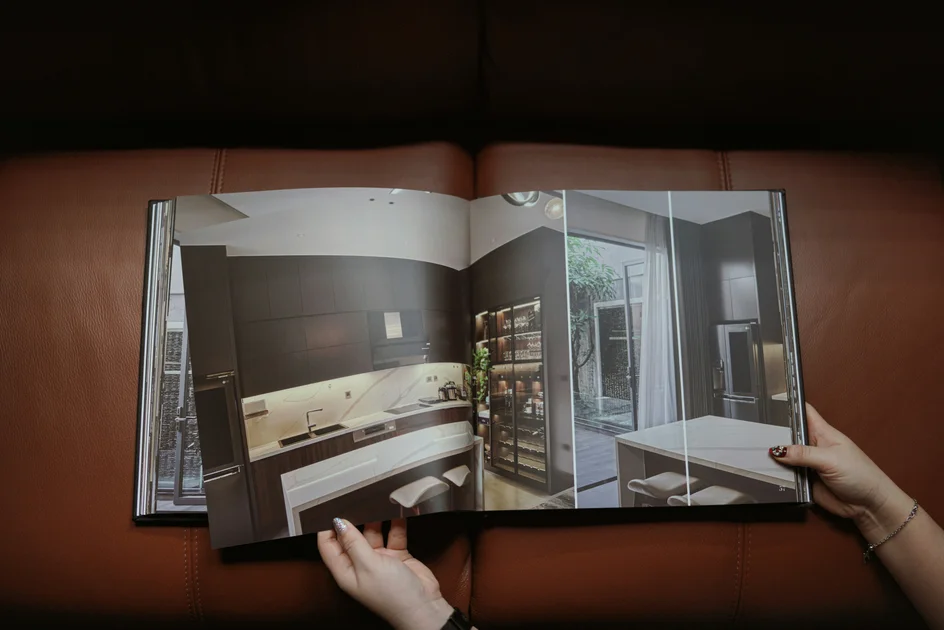
In the realm of premium real estate, modern luxury is characterized by biophilic architecture that seamlessly integrates residential spaces with the natural world. Affluent homeowners are investing in sustainable estates that utilize geothermal heating, advanced solar arrays, and smart home automation to achieve complete energy independence. These architectural masterpieces prioritize natural light, indoor air quality, and native landscaping, creating sanctuary-like environments that promote physical and mental well-being. By blending cutting-edge sustainable engineering with organic design elements, these properties redefine residential luxury as a harmonious relationship between human habitation and ecological preservation, setting a new standard for modern living.
Interior design within these high-end homes has similarly shifted toward ethically sourced, non-toxic materials that offer both beauty and longevity. Handcrafted furniture made from reclaimed timber, natural stone accents, and VOC-free finishes are standard features in modern luxury residences. Homeowners are increasingly collaborating with local artisans to create bespoke, culturally significant pieces that tell a unique story of craftsmanship and sustainability. This deliberate approach to home curation ensures that every element of the living space contributes to a healthier lifestyle while minimizing the home’s overall environmental impact, proving that elegance and sustainability are fully compatible.
Smart Home Tech for Eco-Conscious Estates
The integration of artificial intelligence in sustainable estates has revolutionized energy management, allowing homeowners to optimize resource consumption effortlessly. Smart grids automatically adjust lighting, heating, and cooling based on occupancy patterns and real-time weather data, drastically reducing waste. Additionally, advanced greywater filtration systems recycle household water for estate irrigation, ensuring resource conservation without compromising the lush, landscaped grounds. These intelligent systems provide luxury homeowners with peace of mind, proving that state-of-the-art technology is essential for maintaining an eco-friendly, high-end lifestyle while maximizing comfort and operational efficiency.
The Rise of Ethical Gastronomy and Fine Dining
Fine dining in 2026 is defined by culinary artistry that honors biodiversity, hyper-local sourcing, and zero-waste kitchen practices. Michelin-starred restaurants worldwide are abandoning exotic imports in favor of ingredients sourced from their own regenerative farms or local artisanal producers. Chefs are utilizing innovative culinary techniques to ensure every part of an ingredient is celebrated, transforming potential food waste into exquisite, complex components of multi-course tasting menus. This commitment to ethical gastronomy provides diners with an authentic connection to the terroir, elevating the dining experience to a profound celebration of nature that delights the senses while respecting the environment.
Furthermore, premium beverage programs are aligning with these sustainable philosophies by highlighting biodynamic wines, organic spirits, and locally brewed craft elixirs. Vineyards that employ regenerative agriculture techniques are highly sought after by connoisseurs who appreciate the superior flavor profiles and ecological benefits of chemical-free viticulture. By prioritizing soil health and biodiversity, these producers are securing the future of winemaking while delivering exceptional products to a discerning clientele. Ethical gastronomy has thus become a crucial pillar of modern luxury, offering sensory indulgence that respects the delicate balance of our ecosystems and supports local agricultural communities.
Mindful Wealth and Philanthropic Investments
The accumulation of wealth is increasingly viewed through the lens of positive impact, with modern high-net-worth individuals prioritizing philanthropic investments and ESG-aligned portfolios. Investors are directing their capital toward green technologies, renewable energy startups, and sustainable infrastructure projects that promise both financial returns and measurable social benefits. This conscious approach to wealth management reflects a broader cultural shift where personal success is evaluated by one’s contribution to global sustainability, as documented by McKinsey & Company. By leveraging their financial influence, the global elite are driving systemic change, ensuring that capital serves as a powerful tool for environmental restoration.
This philanthropic mindset extends beyond traditional charity, manifesting as active partnerships with conservation organizations, scientific research initiatives, and social enterprises. Affluent families are establishing private foundations focused on climate action, ocean preservation, and sustainable community development, creating lasting legacies that transcend material possessions. Through these collaborative efforts, modern wealth is being redefined as a stewardship responsibility, where the ultimate luxury is the ability to fund solutions for the world’s most pressing environmental challenges. This progressive ethos represents the pinnacle of modern luxury, aligning financial power with planetary preservation and fostering a sustainable future for all.
Comparison Table / Specifications Table
| Luxury Sector | Traditional Premium Standards | Modern Sustainable Standards (2026) |
|---|---|---|
| Hospitality & Travel | Exotic remote locations, high fuel consumption, single-use amenities. | Off-grid eco-resorts, carbon-neutral transit, locally integrated conservation. |
| Fashion & Couture | Seasonal collections, rare animal skins, high chemical processing. | Circular design, lab-grown alternative silks, certified organic textiles. |
| Real Estate & Estates | Massive energy footprints, concrete-heavy designs, imported materials. | Biophilic designs, geothermal energy, self-sustaining greywater systems. |
| Gastronomy & Wine | Global rare imports, high food waste, chemical-intensive vineyards. | Hyper-local sourcing, zero-waste kitchens, biodynamic viticulture. |
Quick Facts & Statistical Insights
- Over 80% of high-net-worth consumers in 2026 actively seek verified sustainability credentials before purchasing premium goods.
- The global market for luxury eco-tourism has grown by an unprecedented 45% compared to pre-2025 benchmarks.
- Biophilic architectural designs can reduce residential energy costs by up to 60% while improving overall cognitive function and well-being.
- Approximately three out of four top-tier fashion houses have integrated formal resale or recycling programs into their business models.
Key Takeaways
- Modern luxury is defined by positive ecological impact, ethical sourcing, and complete brand transparency.
- Regenerative travel experiences are outpacing traditional luxury vacations by offering deep, conservation-oriented itineraries.
- Circular fashion and innovative material sciences are replacing linear consumption models in haute couture.
- Biophilic architecture and self-sustaining energy systems are the new baseline for premium residential real estate.
- Fine dining has evolved to prioritize hyper-local sourcing, zero-waste kitchens, and biodynamic viticulture.
- Affluent investors are increasingly leveraging their capital for philanthropic, climate-positive outcomes.
Frequently Asked Questions
What is sustainable luxury?
Sustainable luxury refers to premium products and experiences that prioritize ecological balance, social responsibility, and ethical production without compromising on quality, design, or exclusivity. It represents a shift from mindless consumption to intentional, value-driven acquisitions.
How does regenerative travel differ from sustainable travel?
While sustainable travel aims to minimize negative environmental impacts, regenerative travel goes a step further by actively restoring, improving, and revitalizing the local ecosystems and communities that travelers visit.
Are sustainable luxury materials as durable as traditional ones?
Yes, modern material science has advanced significantly, allowing bio-based textiles, lab-grown alternatives, and recycled luxury materials to match or exceed the durability, texture, and longevity of traditional luxury materials.
How do smart homes contribute to sustainable living?
Smart homes utilize artificial intelligence to optimize energy consumption, manage heating and cooling efficiently, and recycle greywater, significantly reducing an estate’s carbon footprint while maintaining maximum comfort.
Why is circular fashion becoming popular among luxury brands?
Circular fashion reduces waste by designing garments meant to be recycled, upcycled, or resold, allowing luxury brands to preserve resource abundance while appealing to environmentally conscious consumers.
Conclusion
The transition toward sustainable luxury in 2026 is a permanent evolution of human values. Premium experiences are no longer measured by conspicuous consumption but by the depth of their positive impact on the planet. By embracing circular fashion, regenerative travel, biophilic architecture, and ethical gastronomy, modern consumers are proving that true elegance and environmental responsibility are inextricably linked. As high-end brands continue to innovate, they set a powerful example for all industries, demonstrating that the ultimate luxury is a preserved, flourishing world.